The beauty and skincare industry offers endless opportunities for creativity and business growth. With consumers constantly seeking new products and unique brands, entrepreneurs have the chance to make a real impact and connect with audiences on a personal level. While the potential is exciting, breaking into the market can also feel overwhelming for those who are new to it. From formulating safe and effective products to managing production and packaging, the hurdles can be significant.
Private label products provide a practical solution. Through the private label model, brands can sell items under their own name while outsourcing manufacturing to experienced third-party companies like Natura Aeropack. Essentially, the brand focuses on marketing and customer engagement, while the manufacturer handles production. This approach has grown increasingly popular because it allows brands to build a distinct identity and scale efficiently.
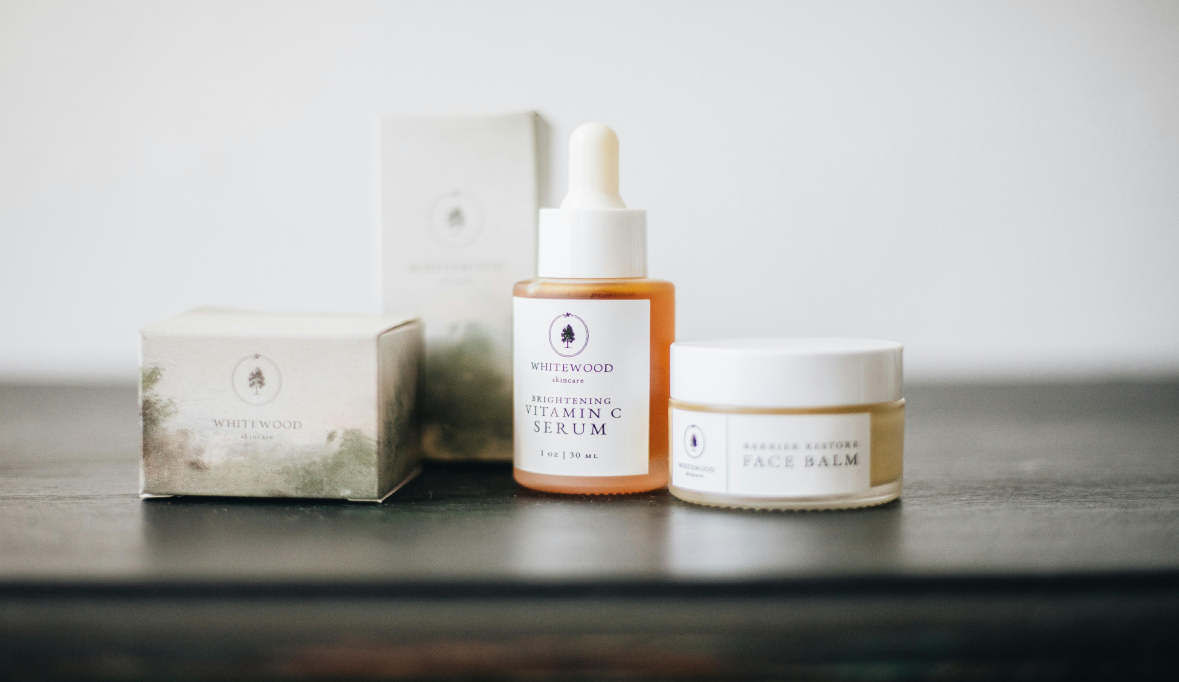
The following reasons illustrate why private labeling benefits beauty and skincare products, offering practicality and strategic advantages.
1) Lower Costs Make Beauty Products More Accessible
The initial costs of creating a skincare or cosmetic line can be quite prohibitive, especially for startups. Private label products eliminate the need for expensive laboratories. Brands also avoid the high costs of raw materials and specialized equipment. These savings dramatically reduce financial barriers for startups and small businesses.
Consequently, brands can make smarter decisions about their budgets toward marketing, packaging, and customer engagement—all of which often demand significant investment on their own. This cost efficiency allows smaller businesses to compete with established brands, offering high-quality products without compromising affordability or brand development. Furthermore, lower operational costs give brands room to experiment with product lines or reinvest profits into growth initiatives.
2) A Faster Launch Helps Products Ride Market Trends
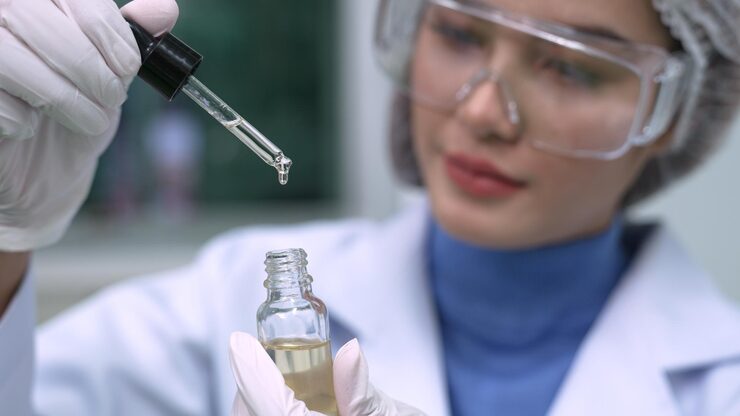
Beauty and skincare trends change rapidly, with new formulas and viral products capturing consumer attention almost overnight. Private label products allow brands to bring items to market within realistic but achievable timelines, approximately between 6 months and a year. Manufacturers provide pre-formulated, tested, and regulation-compliant products so that brands can skip the lengthy research and development phase that can often delay a launch. This speed and adaptability enables brands to respond to seasonal trends or emerging consumer demands.
Additionally, rapid product launches can strengthen a brand’s presence in competitive markets, positioning it as agile and innovative. Given how much timing matters, brands offering private label products can maintain a significant advantage over those relying on in-house product development.
3) Branding and Marketing Become the Focus
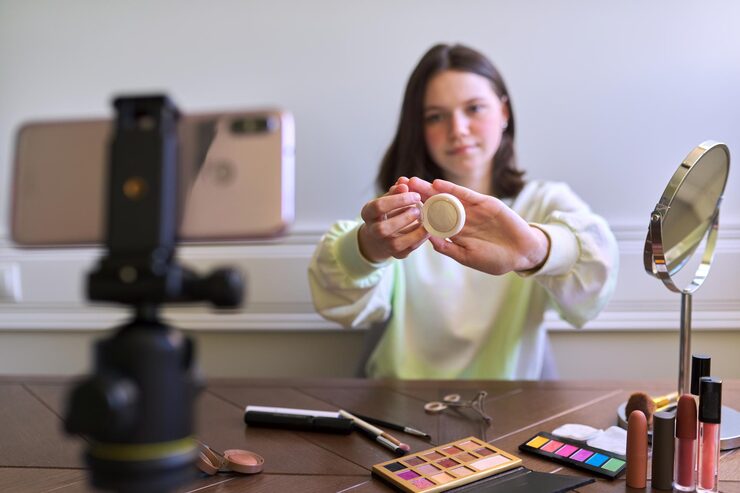
Strong branding plays a critical role in product success, especially in the crowded beauty and skincare industry. Private labeling reduces the burden of manufacturing, allowing brands to focus on growing their presence. Companies can work with their manufacturers to focus their efforts on developing effective marketing strategies and designing packaging that captures attention.
It may also be easier to brainstorm for messaging and social media campaigns that will allow a brand to build strong connections with their audience. Partnering with influencers or showcasing authentic customer testimonials further strengthens brand credibility. As a result, beauty and skincare brands offering private label products can better differentiate themselves through story and customer experience rather than relying solely on product formulation.
4) Flexibility Lets Products Evolve with Consumer Needs
Consumer preferences in beauty and skincare shift constantly, whether due to evolving trends or new scientific discoveries. Private label products provide brands with the flexibility to adapt and refine offerings without committing to large-scale production.
Brands can experiment with new formulations or limited-edition lines to gauge customer response and sharpen their decision-making. This adaptability allows companies to remain competitive and introduce products that align with market expectations. Ultimately, flexibility ensures that brands maintain relevance and appeal in a highly dynamic industry.
5) High-Quality Formulations Elevate Product Value
Many private label manufacturers specialize in producing skincare and cosmetic products that meet high-quality and efficacy standards. When brands partner with such manufacturers, they can offer professional-grade private label products without requiring in-house research and development teams.
In addition, high-quality formulations enhance customer satisfaction, build trust, and encourage repeat purchases, which are crucial for brand loyalty. Moreover, professional-grade products create opportunities for premium positioning in the market, allowing beauty and skincare brands to compete alongside established players.
6) Customization Differentiates Products from Competitors
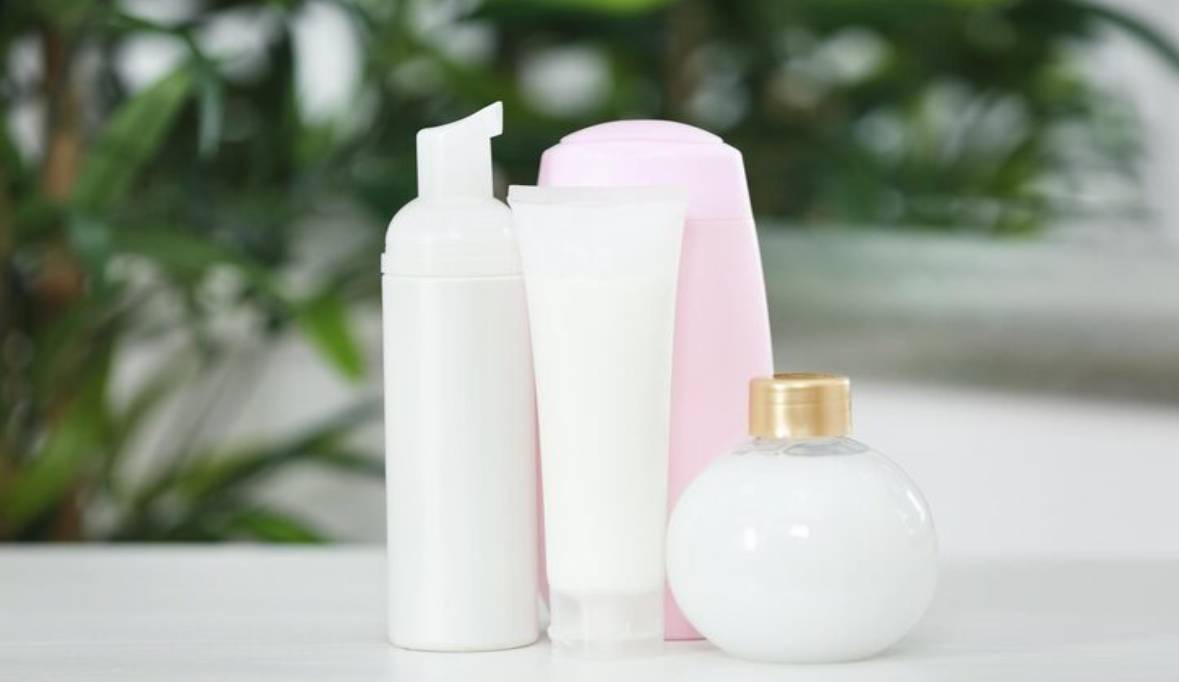
Even when manufacturing is outsourced, private labeling allows brands to add unique elements that set products apart. Brands can customize packaging and scents or make minor formula adjustments to create a distinct identity. These choices help private label products stand out on crowded shelves or online marketplaces, capturing consumer attention and reinforcing brand recognition. Customization also communicates attention to detail and care for the customer experience, which further strengthens brand perception and loyalty.
7) Simplified Operations Maintain Focus on Product Growth
New or small-scale brands often face overwhelm when handling production, quality control, inventory, and logistics. Private labeling shifts these responsibilities to specialized manufacturers, enabling brands to concentrate on sales and marketing. This operational simplicity allows companies to scale more efficiently and innovate without getting bogged down by day-to-day production challenges. As a result, beauty and skincare brands can devote energy and resources to growth strategies and market expansion through their private label products.
Unlock Growth and Creativity with Private Label Products
Ultimately, private labeling empowers beauty and skincare brands to remain agile and expand their customer base. This model allows companies to focus on strategic marketing and long-term growth while relying on manufacturers to maintain high product quality.
Brands that embrace private label products can differentiate their offerings and scale with confidence, which makes this approach a practical and strategic choice for success in such a competitive beauty industry. For a manufacturing partner you can trust with private labeling, make Natura Aeropack your top choice. Contact us today and learn about possible solutions using our high-quality, sustainable, and ethically sourced coconut-derived ingredients.