Are you planning to launch a skin care brand in the growing beauty market of the Philippines? Then you’re about to step into an industry where customers pay close attention to ingredients, product quality, and brand values. This means every product you sell depends on technical work that’s done behind the scenes. This includes formulation development, regulatory compliance, packaging engineering, and production planning.
If you have the capital and the right team, you could build your own in-house manufacturing team and facilities. However, you may find it more practical to partner with an experienced white label manufacturer like Natura Aeropack. That’s because working with a manufacturer doesn’t simply mean ordering products and getting them delivered for selling. Instead, it involves a collaborative development process that shapes timelines, budgets, regulatory preparation, and business strategy.
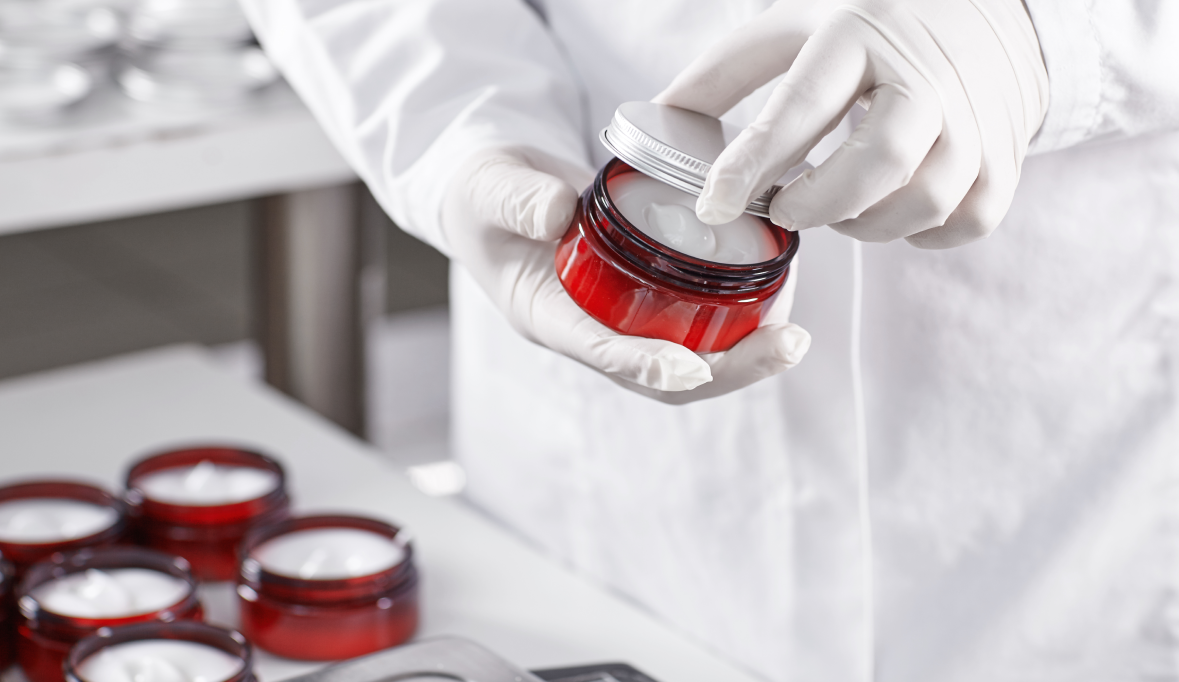
Here’s what a partner manufacturer can do and provide for you:
1) Formulation and R&D Support
You naturally want your products to stand out in a crowded market. That means you’ll need a manufacturer that understands both cosmetic science and the regulatory process that affects it. Rather than only offering pre-made formulas, your partner should have research and development capability as well as compliance knowledge.
For instance, a manufacturer with an in-house laboratory and manufacturing facilities can help you adjust textures, improve stability, and evaluate ingredients carefully. Of course, product development takes time. Even when a manufacturer provides the basic formula, adjustments, lab trials, and stability testing can still take between 10 and 24 weeks. On top of that, sampling can take 3 to 6 weeks, depending on raw material availability and customization. Additionally, regulatory and product registration take 2 to 6 weeks. Plus, if you import packaging, this can extend timelines by 30 to 60 days. Therefore, a realistic launch timeline is 6 months to 1 year.
Regulatory and product registration, in particular, may extend the timeline further because it involves formulation finalization, label development, and the Product Information File.
When you work with a manufacturer, you will need to apply for a License to Operate (LTO) from the Food and Drug Administration (FDA) as a trader. In addition, you also need to apply for a Certificate for each product you will sell.
For most cosmetics, you will need a Certificate of Product Notification (CPN). However, if it has therapeutic claims, such as anti-acne or whitening treatment, you will need a Certificate of Product Registration (CPR), which requires additional documentation.
Fortunately, a reliable manufacturer can guide you through these requirements while development is still underway. This helps prevent delays when you’re ready to launch.
It also underscores the importance of engaging a local manufacturer early in the process rather than waiting until branding, packaging design, or marketing plans are finalized. The combination of R&D and compliance support helps your white label skin products move from concept to production more smoothly. It also ensures that the formulas you launch meet both performance expectations and regulatory standards.
2) Ingredient Sourcing, Traceability, and Quality Control
When someone buys your product, they trust that the formula contains verified materials and is produced under controlled conditions. Because of that, you will want to partner with a responsible manufacturer that’s transparent about their ingredient sourcing and quality control. In specific , they should be able to share where raw materials come from and how suppliers are evaluated. They should also provide documentation such as Certificates of Analysis, supplier records, and batch tracking systems that confirm ingredients meet required standards before they enter production. With that information available, you can confidently explain your formulations to customers and retail partners.
At the same time, the manufacturer maintains quality control throughout the manufacturing process. This means raw materials are inspected before use, production stages are monitored, and finished products are evaluated before shipment.
3) Customization Options
Customization plays an important role in a brand-manufacturer partnership. While core formulations usually remain fixed for safety and regulatory reasons, thoughtful customization allows your brand to develop a recognizable identity. For example, you might request different scent or ingredient combinations within the limits of tested formulas. You might also want slight aesthetic variations in packaging formats, container styles, or pump types. Nevertheless, it’s important to recognize how these decisions affect production economics.
In many cases, smaller production runs result in higher per-unit costs because manufacturing efficiency improves as volume increases. Typically, manufacturers operate within MOQ ranges of 5,000 to 10,000 units, although the exact number depends on the packaging format, formula complexity, and filling process.
A reliable partner takes these customizations into consideration from the very beginning. They then provide business solutions for greater efficiency, better profits, and lower overheads. For example, they may guide you to start with focused SKUs to validate demand, manage inventory risk, and invest more strategically.
4) Filling and Packaging
You may assume that manufacturing represents the largest portion of your early investment. In reality, packaging, branding, and marketing frequently account for a significant share of launch costs. In particular, specialized containers and branded design elements can quickly become substantial expenses, especially when produced in smaller quantities.
A manufacturer with filling lines and packaging testing capabilities can help lower your costs while ensuring that each container works properly with the formula inside. This means pumps dispense smoothly, bottles seal correctly, and jars preserve the product’s stability over time. These details affect both performance and customer satisfaction.
At the same time, packaging should align with the values you want your brand to represent. For instance, if sustainability matters to you, the packaging process should support that goal from start to finish. This may involve responsible production through water retention systems, recyclable materials, or refill-friendly designs. A manufacturer that understands your priorities can help you choose packaging options that support both your commitments and business goals.
5) Logistics and On-Time Product Delivery
Logistics is another responsibility that should sit firmly with your manufacturer. Once production is complete, your products need to reach you on schedule and in the correct batches. In fact, a reliable manufacturing partner organizes production timelines, batch tracking, packaging completion, and shipment schedules as part of a coordinated process. This ensures the products you receive match the quantities and batch records agreed upon during production. As a result, you avoid delays that could affect product launches, restocks, or retail commitments.
Get Business Support to Launch Your Brand
Building a skin care brand involves more than marketing and customer engagement. There’s formulation, compliance, ingredient verification, quality control, packaging, and logistics. Staying on top of these moving pieces can be overwhelming.
Fortunately, partnering with an experienced manufacturer simplifies this process for you. Your partner provides end-to-end business process solutions, ensuring that your product development journey is cost-efficient and delivered on time. This includes everything from initial formulation guidance and regulatory compliance support to filling, labeling, packaging, and final delivery. By managing these steps seamlessly, the manufacturer allows you to focus on growing your brand, connecting with your customers, and expanding your market presence.
Ready to launch your brand with a partner that understands your needs? Reach out to Natura Aeropack now, and let us help you craft a line of skin care products you can be proud of.