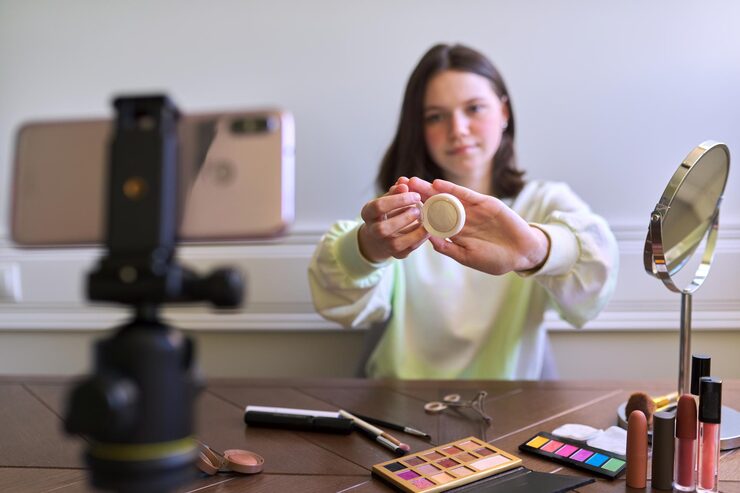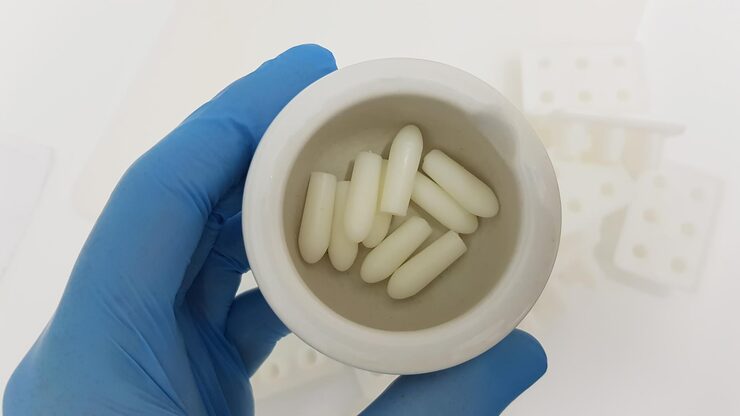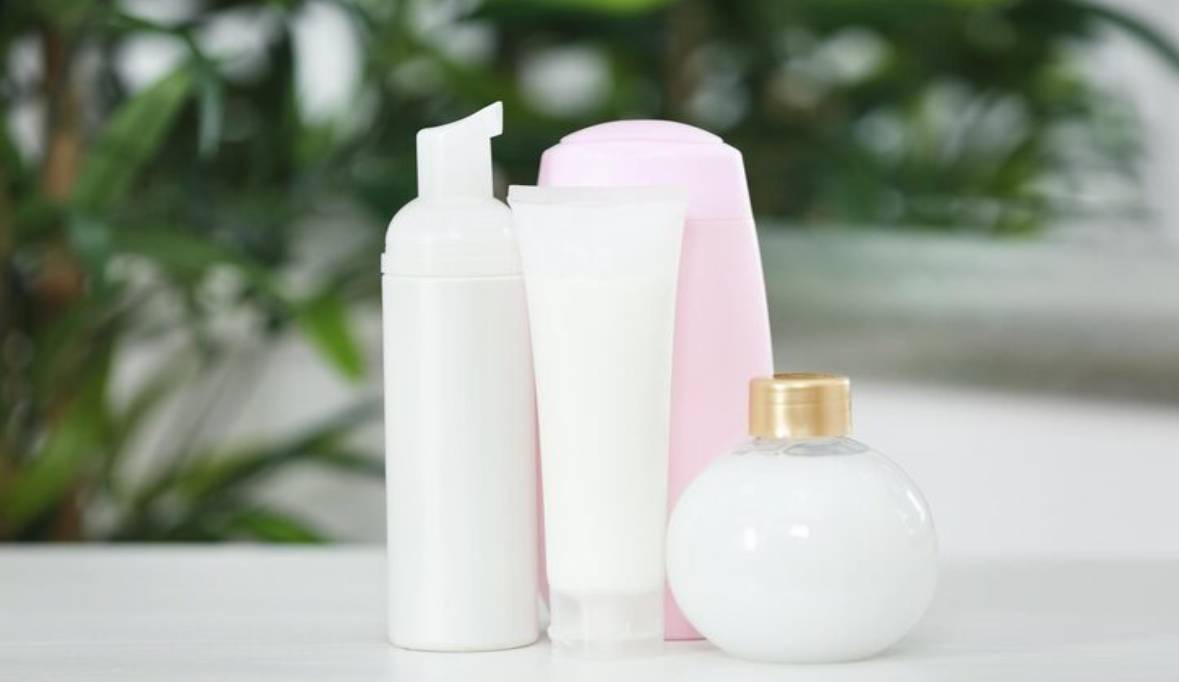
There’s no doubt that building a private label in today’s Philippine beauty market is an exciting opportunity. But unfortunately for many interested entrepreneurs, it’s not exactly a low-cost side-hustle. Yes, local manufacturing and supply chains have long been competitive internationally and are continuing to develop further. But at the same time, consumer awareness is higher than ever, and competition is increasing by the day.
Fortunately, there is no need to build out all the groundwork from scratch. Personal care and cosmetic brand founders can now easily collaborate with a local third-party cosmetic product manufacturer like Natura Aeropack to translate ideas into compliant, scalable products ready for the Philippine market and beyond.
Still, if you’re serious about launching, you need more than enthusiasm or a knowledgeable manufacturing partner. Sustained market success demands that you have a clear understanding of where your capital will actually go. Below is a breakdown of the typical major cost categories startup personal care brands must prepare for.
1) Research and Strategic Product Planning
Before formulation even starts, you’ll likely invest in competitive audits, consumer profiling, pricing analysis, and early supplier consultations, which you would then use as a basis for starting or for your presentations to potential investors.
Research can be inexpensive, but the costs of credible, presentation-ready research only go up the more detail or professional consulting experience is involved, with some consultancies charging hundreds of thousands for a basic research package.
While not exactly throwaway amounts for most people, these costs protect you from developing and being stuck with products no one is asking for. Skipping research may save money upfront, but it also increases the risk of unsold inventory and premature business failure later on.
2) Formulation Development and Testing
Turning your concept into a safe, effective formula involves multiple steps and compounding costs. R&D work, ingredient sourcing validation, stability testing, compatibility checks, and prototype sampling all have associated costs involved. Products with active ingredients, natural extracts, or performance claims often require additional testing, which raises costs. Total cost per SKU can range anywhere from the low hundreds of thousands to millions of pesos, depending on the formulation complexity and how much testing you’re willing to do.
Even then, it’s in testing where your product quality is built. Cutting too many corners early in this process can permanently damage your credibility and leave your business open to legal risks if the products turn out to be harmful. Going with an experienced cosmetic product manufacturer ensures that these costs directly translate to better products and more market success down the line.
3) Regulatory Compliance and Product Notification
All personal care and skincare products must comply with the Philippine FDA requirements before they can be legally sold. Every single SKU you bring to market requires notification filings, documentation, and proper labeling compliance, with each step having associated costs. At the same time, your business itself needs to be registered with the BIR, your LGU, and other relevant authorities.
To be clear, compliance testing is completely separate from formulation R&D. Even a perfectly developed product cannot enter the Philippine market without separate tests for regulatory compliance. Compliance delays can derail launch timelines if not factored into your budget early, so you may also want to include expert legal assistance and other filing costs in your calculation.
4) Manufacturing Minimums and Production Runs
Most contract manufacturers operate with minimum order quantities (MOQs). Initial manufacturing runs can range from hundreds of thousands to the low millions, depending on your:
- Number of SKUs
- Batch volumes
- Ingredient and associated logistics costs
- Packaging complexity
Some manufacturers may offer flexible entry packages, but all other things being equal, smaller batch sizes typically mean higher per-unit costs. Indeed, established businesses may even choose to take losses on small runs so they can collect market data, but this is seldom feasible for new startups. In all cases, balancing MOQ commitments with realistic sales projections is crucial to avoid overextending limited capital.
5) Packaging and Design Execution
Startup founders don’t always realize that packaging does more than hold the product and advertise the brand. Personal care packaging is a highly technical field with practical and logistical considerations that need to be balanced.
Some of the costs involved include container sourcing, label production, artwork development, and possibly custom molds. Professional branding and packaging design in the Philippines may be relatively affordable to start due to the comparatively friendly labor costs, but they can scale upward to millions of pesos if you require complex custom components and globally competitive design elements.
While there may be temptation to cut back in these areas, premium finishes, sustainable materials, and custom layouts can all elevate brand perception and increase upfront spend, things that are crucial in personal care. Even so, each specific design decision impacts both manufacturing efficiency and margin performance, so this is an area founders must treat carefully.
6) Branding, Content, and Marketing Assets
It’s seldom easy to distinguish new products from the countless other competitors on the market. For that reason, startups must allocate a budget for the market. This is highly variable, from essentially free word-of-mouth and social media promotions to sophisticated multichannel campaigns costing the bulk of your total budget.
Different brands require different approaches. However, at a minimum, brands will need:
- Professional-level product photography
- Lifestyle shoots
- Credible e-commerce visuals
- On-brand copywriting
- Polished social media assets
Given the competitive beauty landscape, targeted investments in these areas often directly correlate with better retail acceptance. Engaging with professional marketing or advertising agencies may drive up costs further, but they can help guarantee better results in line with your current vision.
7) Sales Channel Setup and Distribution Costs
Where you sell determines another set of financial commitments. Website and physical stores all have their associated costs, which can range anywhere from a few thousand pesos a month to several million pesos.
While just going with a website can drive costs down, physical retail locations give customers an opportunity to test products firsthand, giving your startup potentially more credibility. In either case, startups are probably best separating these costs from production and marketing so that they can better focus on scaling the platforms that actually generate sustainable returns.
8) Working Capital and Inventory Buffer
Lastly, smart founders know that things won’t always go as planned. A buffer equivalent to three to six months of operating expenses can be a necessity for effectively managing unexpected circumstances early in launch, keeping businesses stable through their first restock cycles.
Launch Smart, So You Won’t Have to Launch Twice
If you’re developing a cosmetic or personal care brand, keeping these realities in mind lets you put your startup in the best possible position, given whatever resources you have at hand. To make the best use of your startup capital, going with Natura Aeropack is the right move. Get in touch today to learn how we can support your personal care vision.