Sunscreen is no longer a one-format product. While lotions have dominated for decades, competition and consumer demand mean that brand owners must now offer sun protection that suits different lifestyles and application preferences. For instance, a casual runner may want a quick spray before heading out the door, while a traveler could reach for a compact, airline-compliant stick that won’t spill in a bag.
Brands exploring white-label sunscreen products must understand that offering these format differences is now critical for building a competitive portfolio of offerings. Each sunscreen format has its own distinct formulation, packaging, and user-experience considerations. Lotions remain the most familiar to consumers, but the other forms are making significant market inroads, with implications on product positioning and real-life applications.
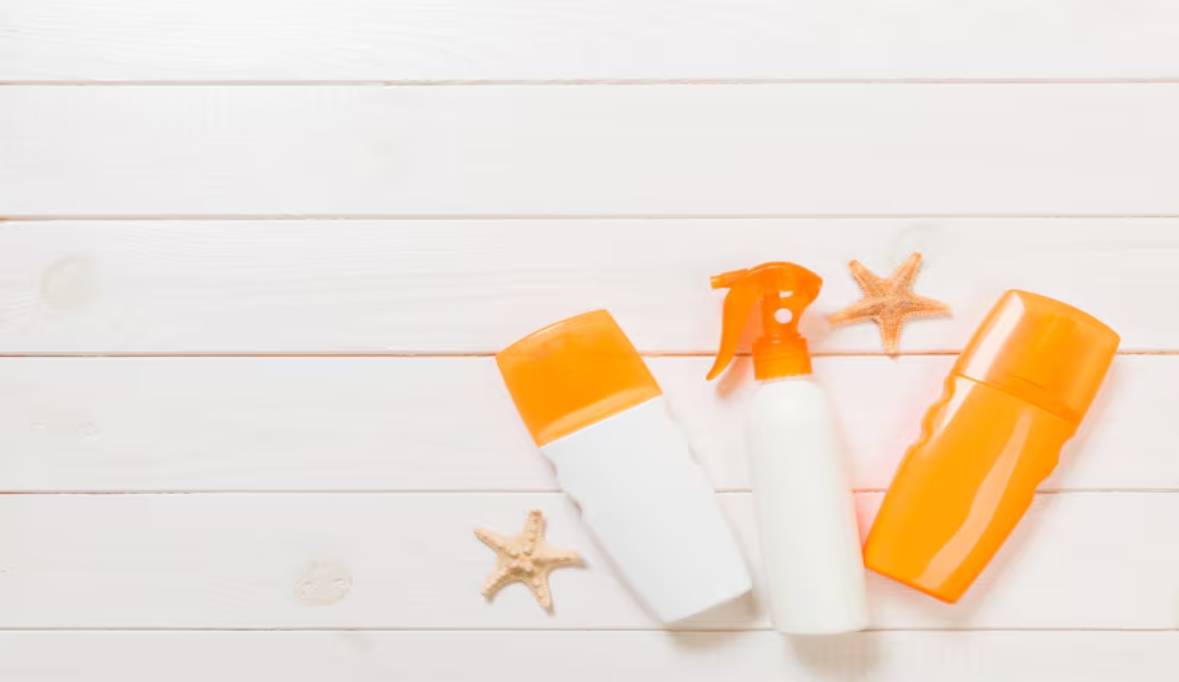
Below is a practical breakdown of lotion, spray, stick, and liquid sunscreen formats to help brand owners make informed development decisions.
Lotion Sunscreen
Lotion remains the most familiar and widely trusted sunscreen format on the market. This longevity speaks to its versatility and perceived reliability among consumers. Indeed, lotions are so ingrained in the mass-market consciousness that many customers may not yet see the advantages of the other formats. Key strengths of lotions include the following:
1) Controlled Application. Because lotions are dispensed by hand and spread directly onto the skin, users can feel more confident about real, practical coverage. This may be especially important for families applying sunscreen to kids, daily facial use, or prolonged outdoor exposure, where even application matters.
2) Formulation Flexibility. Lotions can more easily accommodate a wide range of UV filters, emollients, and skin-care additives such as moisturizers, antioxidants, or soothing agents. This format is ideal for brands that want to combine sun protection with hydration or skin-nourishing benefits.
3) Conveys a Sense of Familiar, Premium Care. Their often-richer texture and familiarity signal thoroughness and protection, which appeals to more traditional consumers who prioritize skin protection and coverage over speed or convenience.
Spray Sunscreen
Spray formats have grown rapidly in popularity, particularly among active consumers. They are often associated with the following:
1) Quick Application. Aerosol or pump sprays allow users to cover large areas of skin in seconds. This makes them ideal for outdoor sports and activities where minimal downtime is desired. Crucially, one can typically spray their own back easily, without requiring assistance as one would with lotions.
2) Lightweight Skin Feel. Spray formulas tend to feel less heavy or greasy than lotions, aiding their use through a spray applicator. As a major perk, this lighter texture can appeal to consumers who dislike residue or a sticky after-feel. Such a skin feel can be a strong positive differentiator in warm or humid climates.
3) Packaging Impact. Spray sunscreens must rely heavily on their delivery systems, which may include valves and propellants. Access to the right packaging expertise and quality control is especially important to ensure consistent spray patterns and regulatory compliance.
Stick Sunscreen
Stick sunscreens occupy a more niche but fast-growing segment, driven by convenience and precision. Advantages include the following:
1) Mess-Free Application. Solid formats eliminate spills and reduce direct hand contact, which consumers may appreciate when traveling or when applying sunscreen to children.
2) Targeted Coverage. Stick sunscreens excel at protecting high-exposure areas such as the nose, lips, ears, and around the eyes. This makes them popular as complementary products for users who depend on UV-protective garments for protecting other parts of their body.
3) Highly Portable and Durable. Their compact size and solid structure make them resistant to leaks and pressure changes, which is particularly relevant for air travelers who might not be allowed to bring large aerosol cylinders.
Liquid Sunscreen
Lastly, we have liquid sunscreens. These formulations often blur the line between sun protection and skincare, even more so than traditional lotions, making them especially popular in facial and cosmetic-adjacent categories.
1) Fluid, Lightweight Consistency. Liquids spread easily and absorb quickly, which may suit consumers who apply sunscreen under makeup or incorporate it into a daily skincare routine.
2) Precision Dosing. Liquids can be paired with droppers or pumps, giving users greater control over how much product they can apply. This appeals to consumers who demand precision, particularly for facial applications.
3) Premium Positioning Potential. Generally speaking, these products are associated with elegance and top-tier dermatological know-how, as opposed to the mass-market branding typical of traditional lotions. For brands targeting skincare-savvy consumers, this format may support a more refined, upscale brand narrative.
Natura Aeropack Helps You Diversify Your Sunscreen Formats with Confidence
Sunscreen as a product category has totally transformed from a seasonal beach essential into a year-round skincare staple. While traditional lotions still work and are still popular, particularly for beach activities, brands that understand and leverage format diversity can better stand out in today’s more demanding skincare markets.
Natura Aeropack offers the experience and technology expertise to allow brand owners to explore various sunscreen formats, enabling them to pursue emerging skincare markets. With deep expertise in formulation and packaging systems, we support the development of sunscreen products that match modern consumer expectations, whether those expectations involve convenience, elegance, or everyday reliability. Browse our list of sustainable ingredients and get in touch with us to know how we can use them to formulate your next line of sunscreen products.