What makes a beauty product immediately appealing? For many consumers, color cosmetics offer something especially engaging: visible results and plenty of room for self-expression. A swipe of lipstick, a touch of blush, or a new eye look can introduce a different style in seconds. With beauty discovery increasingly shaped by social media and changing trends, makeup also gives consumers countless ways to experiment.
For private label brands, this presents both opportunity and challenge. Expanding into color cosmetics means stepping into a category with strong potential for creativity and engagement. Yet the decision isn’t simply about following demand; after all, a makeup line can involve very different considerations from skincare or personal care products.
If you’ve been weighing whether adding color cosmetics fits into your next stage of growth, looking at the category from both a business and product-development perspective can help you determine where they fit in your portfolio. Here’s some insight that should prove valuable to you.
The Appeal of Color Cosmetics
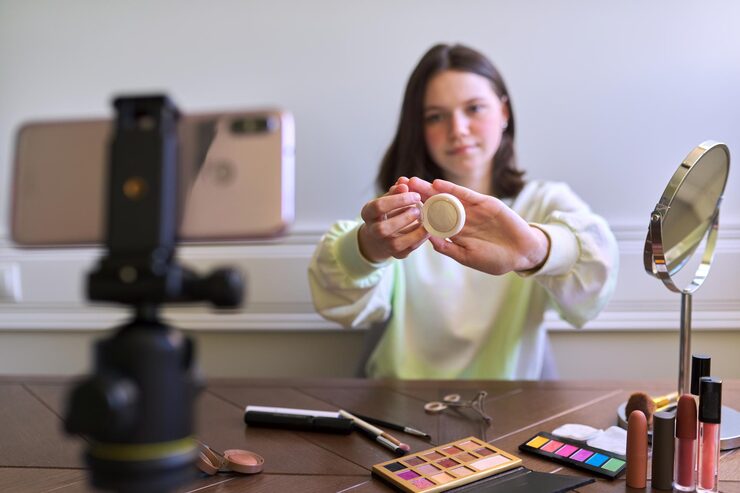
Imagine a customer scrolling through Instagram and stopping at a vibrant eyeshadow look. Within minutes, they’re searching for the product, ready to buy. That immediacy is the power of color cosmetics. They not only deliver visible results but also encourage consumers to try different products or return for additional shades and formats.
Several developments have made the category even more dynamic. Social media allows makeup looks and emerging trends to travel quickly, while greater attention to inclusivity has encouraged brands to consider a wider range of skin tones and consumer preferences. Meanwhile, hybrid products such as tinted skin products and lip colors with moisturizing ingredients and skincare benefits further expand the category’s appeal by combining color with added functional benefits.
For a brand exploring these opportunities, working with the right private label makeup manufacturer, such as Natura Aeropack, can help turn this attractive category into a realistic portfolio expansion opportunity. Color cosmetics can ultimately give you new ways to engage existing customers while reaching audiences whose beauty routines extend beyond your current assortment.
Deciding Whether Color Cosmetics Fit Your Brand
Still, a popular category may not belong in every portfolio. Suppose your brand has built its reputation around a highly focused skincare range with a specific philosophy and customer base. Adding makeup simply because the category offers growth potential could leave consumers wondering how the new products relate to what they already know and value about you. Will your audience see it as credible or as a stretch?
Knowing that, a good starting point is to define the role color cosmetics would play within your brand. A skincare-focused company might find a natural extension in complexion products that complement its existing positioning. A body and personal care brand, on the other hand, may need a stronger strategic rationale before making the same move. Your target customers, price positioning, sales channels, and existing product assortment can all shape that decision.

Once the strategic rationale is clear, you may want to check whether you have the resources to make the idea viable. More products can mean additional stock-keeping units (SKUs), inventory requirements, marketing investments, and operational demands, particularly when one cosmetic comes in multiple shades. The strongest opportunity is therefore one that makes sense on your balance sheet as well as on your mood board.
Navigating Formulation Challenges and Evolving Beauty Standards
Behind a seemingly simple tube of lipstick or bottle of liquid foundation is considerable formulation work. A color cosmetic needs to deliver the intended pigmentation, texture, application, appearance, and stability while meeting relevant safety and regulatory requirements. What if you proudly launch a lipstick line, only to discover that shades look inconsistent across batches or textures don’t hold up in humid climates? Those challenges only intensify when consumers expect products that combine cosmetic performance with thoughtfully selected ingredients or skincare-inspired benefits.
Ingredient choices also increasingly intersect with broader conversations about sustainability and responsible product development. For brands, the challenge is to translate those priorities into formulations that still provide the sensory qualities and reliable performance consumers expect.
This is where the right development partner becomes particularly valuable. Natura Aeropack works with brands on formulation development, testing, and customization, while incorporating green chemistry and sustainably sourced coconut-derived ingredients into its broader approach. With this combination of technical expertise and sustainability-focused development, your business has room to pursue distinctive product concepts while addressing the complexities behind them. Remember, what looks effortless on the shelf is the result of careful formulation, testing, and ingredient choices made long before launch.
Streamlining Production from Sourcing to Packaging
A successful formula is only the beginning of bringing a color cosmetic to market. Once development is complete, attention shifts to how efficiently you can move from a finished concept to consistent production. That transition becomes especially important as your portfolio grows to include more shades, formats, or product variations.
Continuity across the production process can make that growth easier to manage. The materials and methods used during manufacturing should remain aligned with what was established during development, while packaging needs to work with the formula and deliver the experience your customers expect. Keeping these stages connected can also help maintain consistency as production volumes increase.
For this reason, it’s worth looking beyond manufacturing capacity alone when evaluating how your color cosmetics will be produced. Consider how smoothly a potential partner can support the journey from sourcing through filling and packaging, as well as whether its capabilities can accommodate future growth. The right production setup should support where your portfolio is headed, not simply what you need for your first launch.
When Color Cosmetics Make Sense
Color cosmetics can open new possibilities for your private label portfolio, but the strongest reason to expand is not simply that makeup is popular and commercially attractive. The opportunity becomes more compelling when the category has a clear role in your brand’s future and when you have the right resources behind it.
Considering the move? Visit Natura Aeropack at Cosmoprof Asia and ask our team about our color cosmetics OEM capabilities. We’ll be happy to discuss future possibilities with your brand.