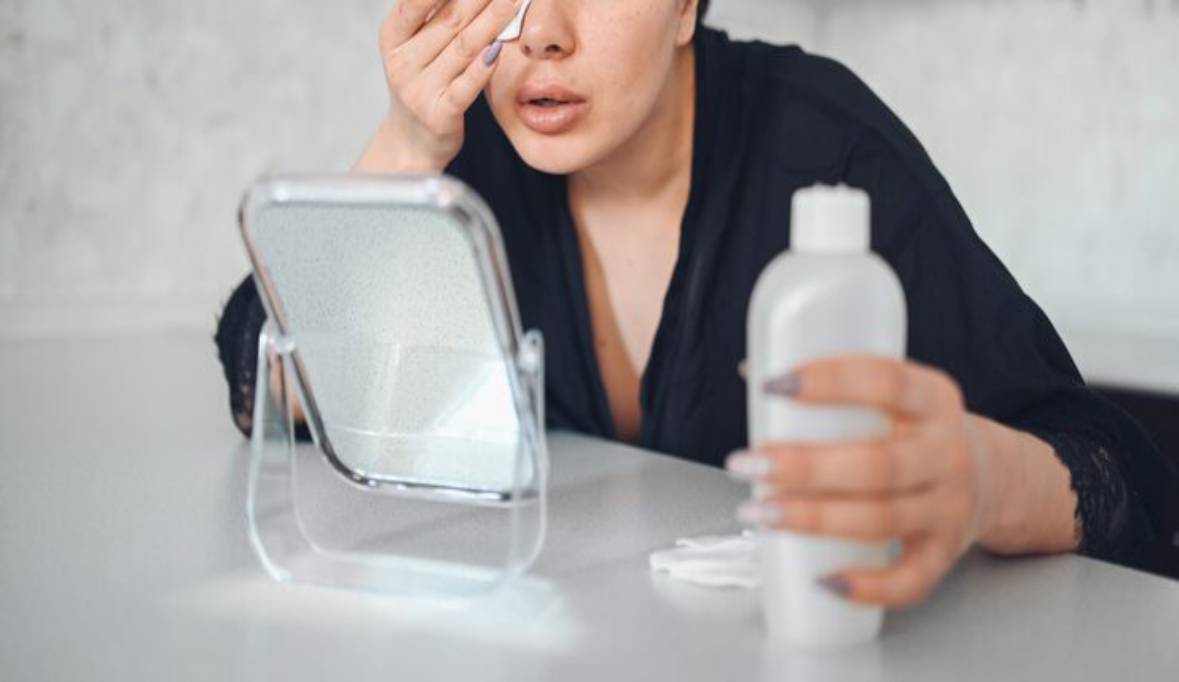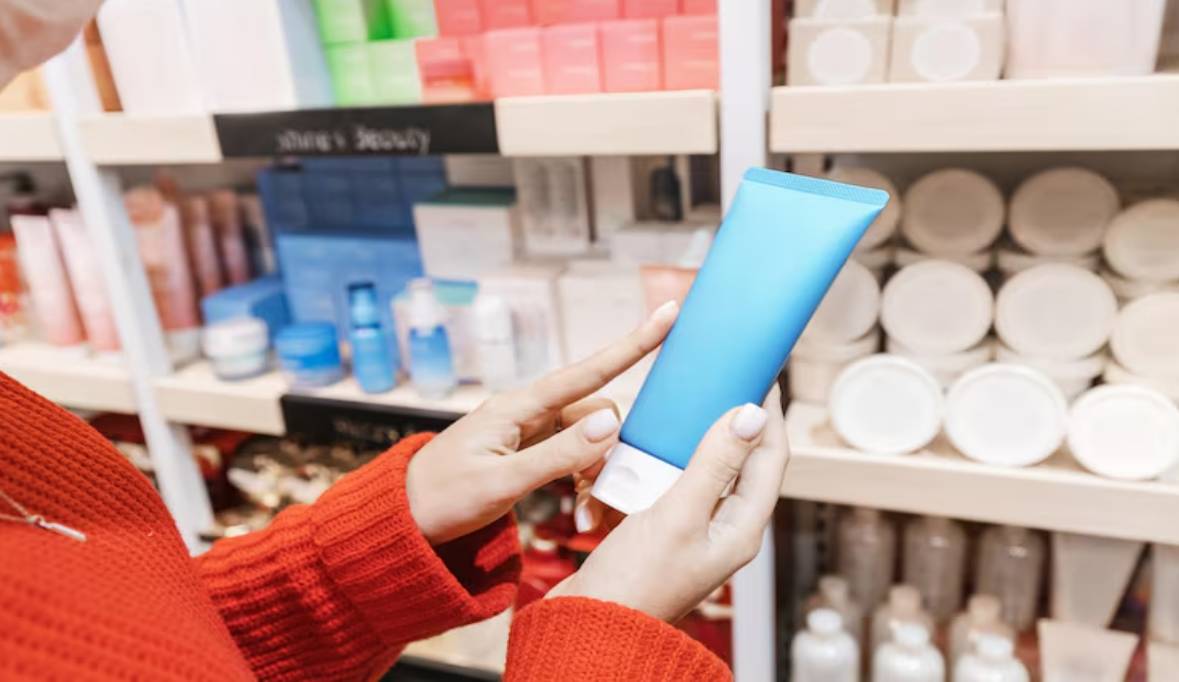
The Philippine skincare market has grown quickly over the past decade, and it’s expected to reach new heights in the coming years. According to projections, by 2027, the market’s value will reach USD 2 billion. Beauty brands from all over the world are trying to get a piece of that pie, and many local brands now find themselves competing alongside Western and regional labels. Meanwhile, Filipinos are becoming more cognizant of the importance of skin health. This awareness, coupled with rising disposable income and the influence of social media, is encouraging local consumers to continue to invest in skin products.
Despite the skincare sector’s growth, many Philippine skincare products still fail to fully reflect local skin needs, climate realities, and consumer behavior. The missteps, listed below, reveal clear product gaps that present real opportunities for brands willing to adapt and innovate.
1) Underestimating the Value of Flexible Product Development
Many local businesses hesitate to explore new product categories due to the high cost and complexity of formulation, testing, and production. This hesitation often leads to repetitive product launches that add little differentiation, such as multiple cleansers or toners with minimal variation. As a result, emerging gaps in the market remain unfilled.
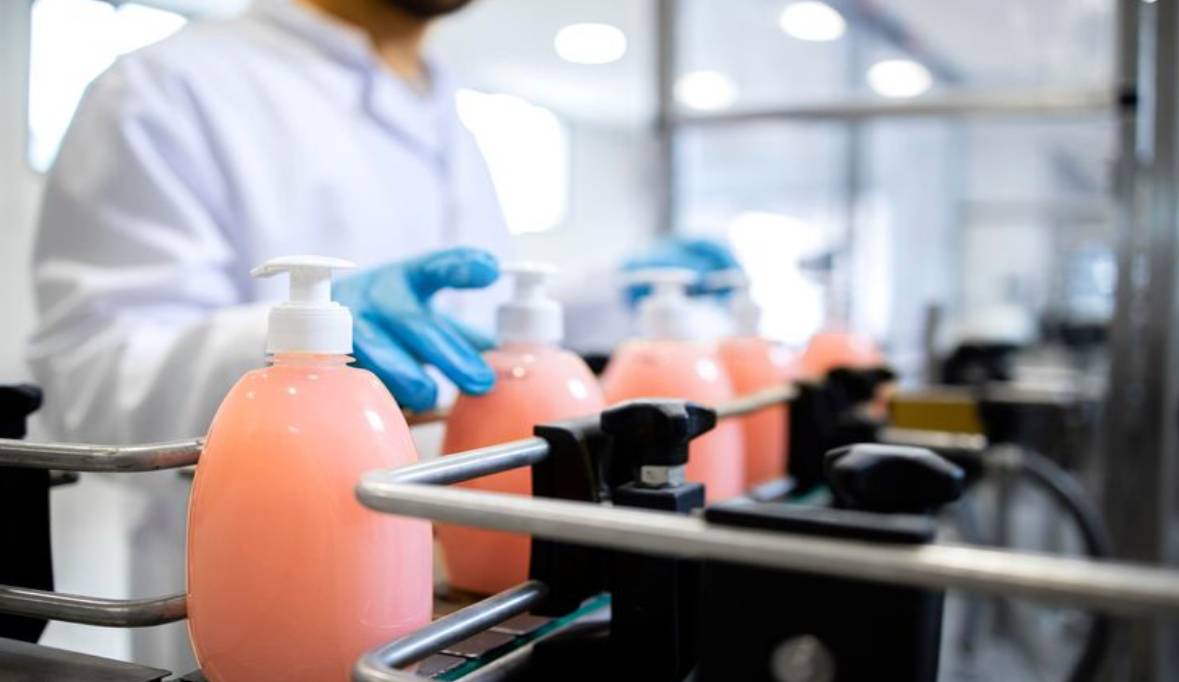
This is where white label skincare products can play a constructive role. When used thoughtfully, white label solutions allow brands to test new ideas, respond quickly to trends, and customize formulations to suit local preferences without starting from scratch. They can help brands explore underserved categories such as scalp care, body treatments for humid climates, or targeted treatments for men and teens. Focusing on branding as well as education and ingredient transparency allows businesses to turn white label offerings into meaningful extensions of their product lines rather than generic additions.
2) Overlooking the Impact of a Hot, Humid Climate
One of the most persistent mistakes in the Philippine skincare market is treating the country as if it has the same climate as temperate regions. Many formulations are adapted from products designed for dry or cold environments. This results in textures that feel heavy, greasy, or uncomfortable under tropical conditions. Creams that sit well on the skin in cooler climates can clog pores and worsen oiliness when used daily in high heat and humidity.
This oversight creates a clear gap for lightweight, climate-appropriate formulations. Products that focus on gel-based moisturizers, fast-absorbing sunscreens, and non-greasy serums are still limited in local offerings. There is also room for skincare that balances oil control without stripping the skin, particularly for consumers who spend long hours outdoors or commute daily in urban areas.
3) Treating “Asian Skin” as a Single Category
Another common mistake that many skincare companies make is oversimplifying Filipino skin by grouping it into a broad “Asian skin” category. While there are shared characteristics across the region, Filipino consumers show wide variation in skin type, tone, sensitivity, and concerns. Some have highly oily skin, while others struggle with dryness from over-cleansing. There are also many Filipinos who deal with acne combined with sensitivity or hyperpigmentation. This generalization leads to products that claim to be universally suitable but fail to deliver targeted results.
Consumers need more nuanced, problem-specific solutions. Skincare lines that address acne with barrier support, pigmentation with gentle brightening, or sensitivity without sacrificing efficacy remain limited. Upon investing in local research or consumer feedback, brands can develop more precise solutions that feel intentionally designed rather than simply imported and repackaged.
4) Prioritizing Whitening Over Overall Skin Health
Skin brightening products dominate shelves in the Philippines, and they’re often marketed with promises of fast and dramatic results. Tone correction and pigmentation care are valid needs, but many products still rely on outdated messaging that emphasizes whitening rather than skin health. In some cases, this leads to harsh formulations that compromise the skin barrier and cause irritation, rebound darkening, or even long-term sensitivity.
This approach reveals a growing opportunity for education-driven products that reframe brightening as part of holistic skin care. Products that focus on even tone and sun protection, as well as gentle exfoliation and barrier repair, are increasingly aligned with modern consumer values. There is still much room for formulations that use safer, well-explained ingredients and promote long-term skin resilience rather than quick fixes.
5) Ignoring Body and Scalp Care as Extensions of Skincare
Facial skincare receives the most attention in the Philippine market, while body and scalp care are often treated as secondary concerns. Many consumers still rely on basic scalp and body products that do not address issues like body acne or scalp sensitivity.
This gap opens opportunities for products that approach body and scalp care with the same level of intention as facial skincare. Lightweight body serums and calming after-sun products, even exfoliating washes for humid climates and scalp treatments designed for frequent washing—these are all still relatively rare in the local market. Brands that extend their skincare philosophy beyond the face can meet these unmet needs and encourage consumers to build more complete routines.
6) Failing to Educate Consumers on Proper Use
Another widespread mistake is assuming that consumers understand how to use skincare products correctly. A number of products are sold with minimal instructions or vague claims. Some products even have marketing-driven messaging that prioritizes appeal over clarity. These can lead to misuse and confusion that can cause consumers to distrust even a well-formulated product.
Brands must step up and invest in education as part of the product experience. These efforts can include providing clear usage guidelines and realistic timelines for results. It also helps to have honest explanations of ingredients. Educational content can be particularly helpful in supporting products that are designed for beginners or first-time skincare users, a segment that continues to grow in the local market.
Natura Aeropack Can Help Your Philippine Skincare Brand Bridge the Gap
Product gaps often emerge where assumptions go unchallenged and consumer realities are overlooked. Recognizing these common mistakes allows skincare businesses to see beyond competition and toward opportunity. If your personal and skincare brand is in need of turnkey solutions, white-label (OEM/ODM) solutions, Natura Aeropack offers end-to-end, eco-friendly manufacturing services that cover everything from ingredient sourcing and R&D to packaging and logistics.
We’ll help you find purpose-built solutions for the gaps you want to fill. This way, you can position your brand not just as a seller, but as a trusted partner in the everyday skincare journeys of Filipino consumers. Get in touch with Natura Aeropack today.