Cocamidopropyl betaine, or CAPB, has long been a trusted ingredient in products labeled “gentle” or “mild.” Found in shampoos, facial cleansers, and body soaps, it gained popularity for producing a rich foam and leaving the skin feeling soft without the dryness caused by sulfates. Thus, it became a cornerstone of sulfate-free formulas that allow brands to market their products as safer and more skin-friendly.
However, the beauty products landscape has changed significantly in recent years. The growing consumer awareness, coupled with advances in cosmetic science, has prompted brands and formulators to reexamine CAPB’s safety and sustainability. Many are finding that while CAPB once symbolized mildness, it no longer aligns with modern standards for clean and eco-conscious beauty. As a result, formulators are now exploring betaine replacement options that offer the same performance with fewer risks. This shift reflects a broader movement toward transparency and products that perform effectively without compromising health or the environment.
What Exactly Is Cocamidopropyl Betaine?
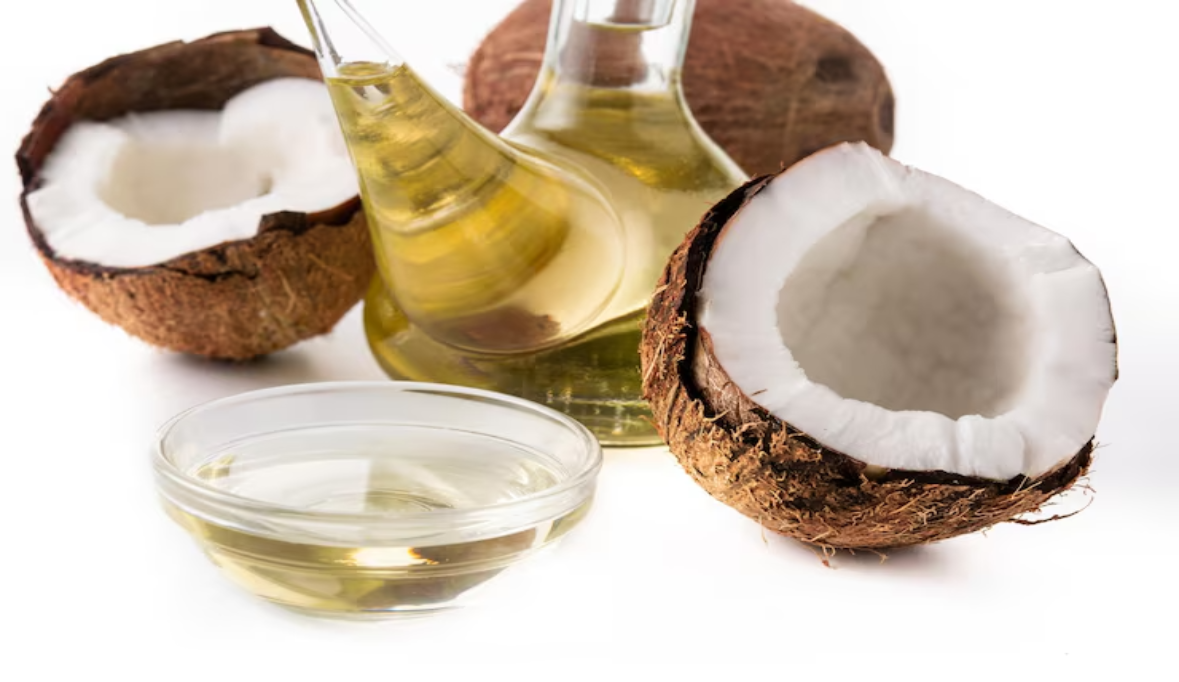
Cocamidopropyl betaine is a synthetic surfactant made by reacting coconut oil–derived fatty acids with a chemical compound called dimethylaminopropylamine (DMAPA). The result is an ingredient that acts as both a cleanser and a foam booster, helping water and oil mix so that dirt and impurities can be rinsed away easily.
Formulators have favored CAPB for decades because it enhances the texture, viscosity, and mildness of cleansing products. It’s compatible with a wide range of ingredients, affordable to produce, and effective at creating a creamy, stable lather that consumers enjoy.
Why Some People Are Reacting to It
Despite its reputation as a mild cleanser, cocamidopropyl betaine can cause skin irritation and allergic reactions in certain individuals. Dermatologists and researchers have linked some cases of contact dermatitis to CAPB, particularly among people with sensitive skin or pre-existing conditions like eczema.
The irritation doesn’t always come from CAPB itself but rather from residual impurities formed during its production. In particular, trace amounts of amidoamine and DMAPA can remain in the ingredient, and even small concentrations may trigger redness, itching, or burning sensations in sensitive users. Because of its potential to cause allergic reactions, CAPB has become one of the ingredients that dermatologists often test for when diagnosing cosmetic allergies.
How Environmental Concerns Influence Ingredient Choices
Concerns about cocamidopropyl betaine extend beyond its effects on human skin. Environmental researchers have noted that though CAPB is derived in part from renewable sources like coconut oil, it is still a synthetic compound that may pose ecological risks.
In wastewater systems, CAPB can degrade slowly, and if it enters natural waterways, it may exhibit aquatic toxicity, affecting fish and other aquatic organisms. Prolonged exposure can also lead to bioaccumulation, where the compound gradually builds up in aquatic life, disrupting ecosystems over time. These environmental factors have placed CAPB under scrutiny, particularly as sustainability becomes a central pillar of product development in the personal care industry.
How Regulatory Standards Shape Formulation Decisions
Regulatory developments have further accelerated the move away from CAPB. California’s Proposition 65, for example, requires businesses to inform consumers if their products contain chemicals known to cause cancer, birth defects, or reproductive harm. While CAPB itself isn’t directly listed, some of its manufacturing by-products, notably DMAPA and amidoamine, can fall under this regulation.
Manufacturers that sell in California must ensure that their formulations do not exceed Prop 65 limits or else face costly labeling and compliance requirements. For many brands, the easiest way to stay compliant is to reformulate altogether, replacing CAPB with safer, low-irritant surfactants.
Beyond California, global clean beauty standards and regional chemical safety laws are also influencing formulation choices. As international markets tighten ingredient restrictions, brands aiming for worldwide distribution find it safer to eliminate CAPB proactively rather than risk future reformulation challenges.
What Formulators Are Using Instead
As cocamidopropyl betaine loses its reputation as the default mild surfactant, formulators are turning to a new generation of ingredients that balance efficacy, skin compatibility, and environmental safety.
Glucoside surfactants such as decyl glucoside, lauryl glucoside, and coco glucoside are among the most popular CAPB replacements. Derived from renewable plant sources like sugar and coconut, these ingredients are known for their excellent biodegradability and gentle cleansing profile. They work well in baby care, sensitive-skin, and sulfate-free formulas while maintaining a pleasant foam texture.
Another growing category includes amino acid–based surfactants, such as sodium cocoyl glutamate, disodium cocoyl glutamate, and sodium lauroyl sarcosinate. These ingredients use amino acids as their foundation, providing mildness and moisture retention benefits.
Some formulators also blend mild surfactants to create balanced systems that perform effectively in different product formats. They combine glucosides, amino acid surfactants, and natural fatty acid derivatives to optimize foam, viscosity, and cleansing power without relying on CAPB.
What Drives the Shift Toward Safer and More Sustainable Surfactants
The gradual shift away from cocamidopropyl betaine reflects a fundamental change in how the beauty industry defines gentleness and responsibility. Formulators are rethinking what it means to create a mild, skin-friendly product by moving beyond marketing claims to meet higher scientific and ethical standards.
Now that cleaner technologies have emerged, the focus is turning toward next-generation surfactants that respect both the skin barrier and the environment. This evolution shows how innovation and environmental awareness are shaping a new generation of formulations that genuinely embody what consumers now expect when they see the word “gentle” on a label.
Ready to make the shift to more sustainable surfactants and other environmentally friendly ingredients? Reach out to Natura Aeropack now.