Laundry detergents and dishwashing liquids are everyday household essentials, making them attractive product categories for businesses looking to establish or expand their private label offerings. However, entering these markets involves more than placing a brand name on a cleaning product. Customers expect products that clean effectively, deliver consistent results, and offer value with every purchase.
Meeting these expectations requires careful planning and a clear understanding of the intended market. While branding and pricing can help attract customers, the quality and reliability of the products ultimately influence whether they continue purchasing. This makes choosing the right manufacturing partner one of the most important decisions in the process.
Before committing to a manufacturer, businesses should understand the essential capabilities and services that contribute to a successful private label product line. Let’s explore the key qualities to look for in a private label manufacturer.
1) Product Formulation and Customization

A capable manufacturing partner should offer formulation options that align with a brand’s target market and product goals. Since consumer preferences and cleaning needs vary, businesses need the flexibility to develop products that meet specific expectations without compromising performance.
For private label laundry products, this may involve developing detergents designed for effective stain removal or fabric softeners that provide lasting freshness. Dish care products require a different approach, with formulations focused on removing grease and food residue while remaining suitable for everyday use. In both categories, manufacturers should be able to adjust formulations based on the brand’s desired product characteristics.
Research and development capabilities are equally important. An experienced manufacturer can help refine formulations through testing and ingredient selection, ensuring the finished products meet performance expectations.
2) Quality Assurance and Regulatory Compliance
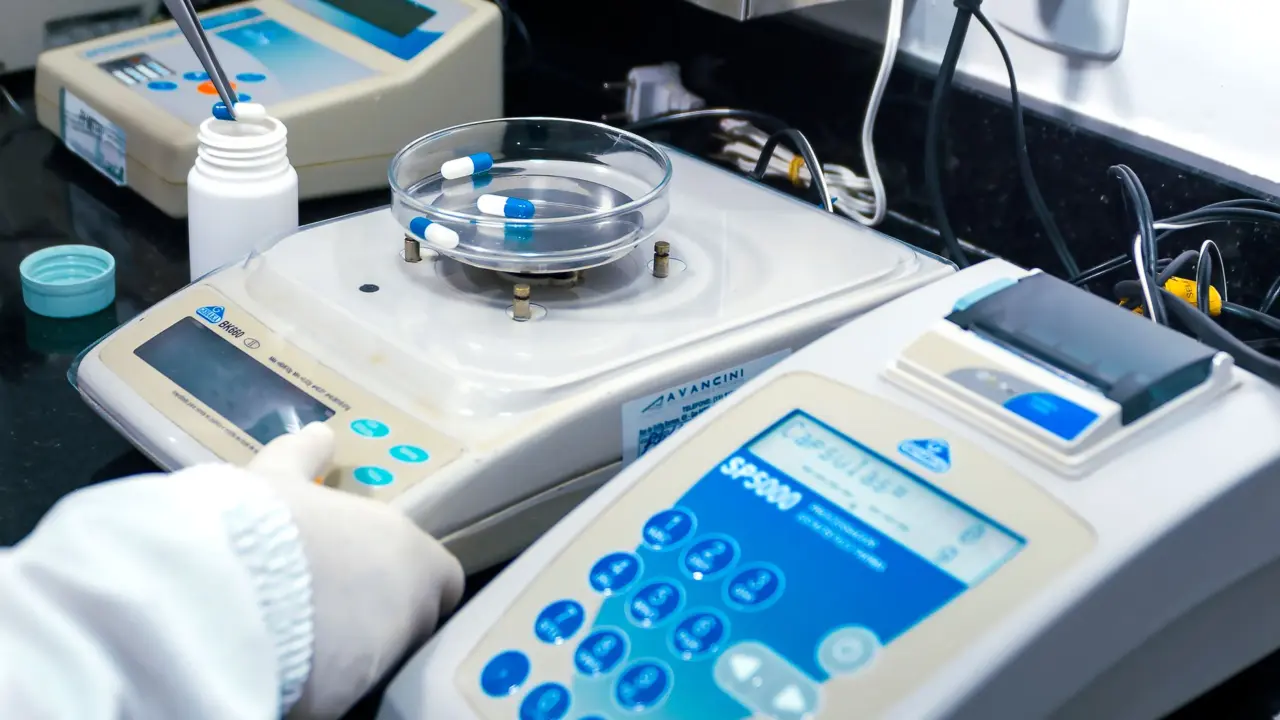
Consistent product quality plays an important role in building customer trust, especially for cleaning products. To maintain this consistency, a reliable manufacturing partner should follow established quality control procedures throughout the production process, from evaluating raw materials to inspecting finished products.
Product testing is a key part of these procedures. For instance, manufacturers must evaluate the cleaning effectiveness and formulation stability of laundry detergents to ensure they perform as intended. Dishwashing liquids require similar attention, particularly when it comes to grease removal and maintaining consistent performance across production batches. These assessments help manufacturers identify potential issues before products reach the market.
Beyond product performance, manufacturers must also comply with regulations in their intended markets. Proper ingredient documentation and accurate product labeling help businesses meet applicable requirements while providing customers with essential product information.
3) Packaging and Private Label Branding Support

Packaging plays an important role in establishing a recognizable private label laundry and dish care brand, as it influences how customers perceive and interact with the products. While an attractive design can help products stand out on store shelves, the packaging must also protect the formulation and make the product convenient to use.
With these considerations in mind, an experienced manufacturing partner should offer packaging solutions that suit the product’s intended use and distribution requirements. For instance, bottles with secure, specialized caps may be suitable for liquid detergents, while refill pouches can appeal to customers looking for convenient ways to replenish their cleaning supplies.
Aside from providing packaging options, manufacturers may also assist with label specifications and coordinate with packaging suppliers to ensure the chosen materials are appropriate for the product. This support is particularly valuable for businesses launching their first private label range, as it helps simplify the development process.
4) Flexible Production Capacity and Scalability
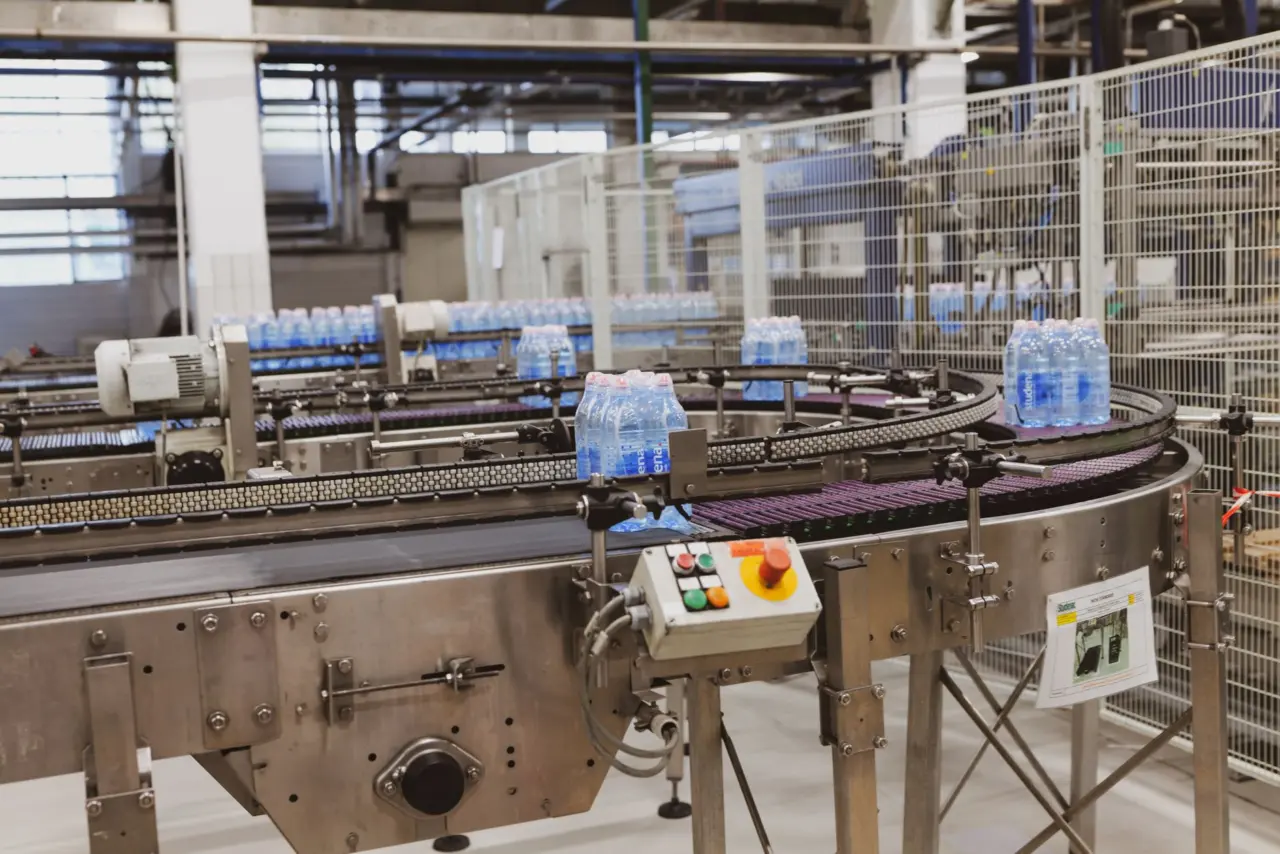
Production flexibility is another important consideration when selecting a private label manufacturing partner. Businesses entering the market may need smaller initial production runs, while established brands often require larger volumes and more frequent orders.
With this in mind, look for manufacturers that clearly communicate their minimum order quantities (MOQs), production capacity, and expected lead times. Understanding these details helps businesses manage costs and avoid unnecessary stock shortages or excess inventory.
A dependable partner should also have processes for managing raw material availability, production scheduling, and changing order requirements.
As demand increases, brands may want to expand into additional product variants or cleaning categories. Working with a manufacturer that can accommodate these changes reduces the need to find a new supplier whenever the business grows.
5) Transparent Communication and End-to-End Support

Clear communication is essential for keeping private label manufacturing projects on track, especially when multiple stages of product development need to be coordinated. A dependable manufacturing partner should therefore be transparent about pricing and production timelines while setting realistic expectations about what can be achieved.
This transparency should extend to the support provided throughout the manufacturing process. From initial product consultations, the manufacturer may guide businesses through sample development and help refine formulations before moving into full-scale production. As the project progresses, assistance with packaging coordination and quality testing can further simplify the process. However, businesses should clarify which services are included in the agreement to avoid unexpected costs.
Ongoing communication becomes particularly important as production gets underway, especially when businesses are preparing for a product launch or coordinating deliveries with distributors. If delays or other challenges arise, a responsive manufacturer should provide timely updates and work with the business to find practical solutions. This collaborative approach helps prevent misunderstandings and keeps the project moving toward completion.
Final Thoughts on Finding the Right Manufacturing Partner

All in all, building a successful private label laundry and dish care brand requires a manufacturing relationship that extends beyond simply producing finished goods. The right partner should understand the brand’s vision and be prepared to support its development as market demands evolve.
Businesses should therefore take the time to evaluate potential manufacturers to avoid costly setbacks and establish a more reliable path to market. With a partner that shares their commitment to product quality and customer satisfaction, businesses can focus on strengthening their market presence and creating lasting value for their customers.
For solutions that relate to private label laundry and dish care products, don’t hesitate to contact Natura Aeropack now. Browse our website to learn more about our manufacturing process and the work we’ve done for brands in the home care niche.