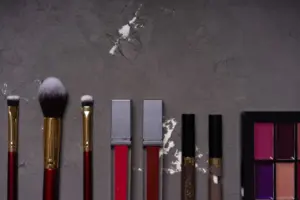
Ever wonder why two lipsticks with the same list of ingredients can feel completely different on the lips? One may glide on smoothly with rich, even color in a single swipe, while the other may feel gritty, look patchy, and settle into fine lines within an hour. The difference rarely comes down to secret miracle ingredients or fancy packaging. Instead, it usually boils down to how well the pigments were dispersed during manufacturing.
Pigment dispersion is essentially the art and science of breaking down tiny pigment clumps and spreading them evenly throughout a liquid, cream, or powder base. When pigments aren’t properly ground and wetted, they stay clustered together, leading to dull color payoff, chalky textures, and products that separate in the tube. Mastering pigment dispersion is what transforms a mediocre formula into a seamless, high-performance beauty essential. That being said, let’s explore how pigment dispersion quality affects your product.
Shade Accuracy and Color Payoff

When raw pigment particles clump together, color strength diminishes. Conversely, well-dispersed particles utilize pigment far more efficiently, allowing the material to reach its full optical performance. Integrating a compatible pigment dispersant supports this process by keeping separated particles from regrouping, ensuring a richer color payoff without adding raw pigment that raises costs or alters texture.
Maintaining shade consistency across your line also depends on particle processing. Because cosmetic pigments disperse rather than dissolve, incomplete dispersion can leave a finished product looking dull, muted, or entirely different from the intended shade, even when pigment percentages are exact. This apparent lack of color usually leads formulation teams to add extra red or brown pigment to correct a muted shade, only for subsequent processing to fully disperse the original pigment and render the formula overly red. Before altering your pigment blend, ask your laboratory to run controlled swatch comparisons under identical lighting to verify whether you are fixing the actual mechanical process or simply chasing shifting pigments.
Coverage
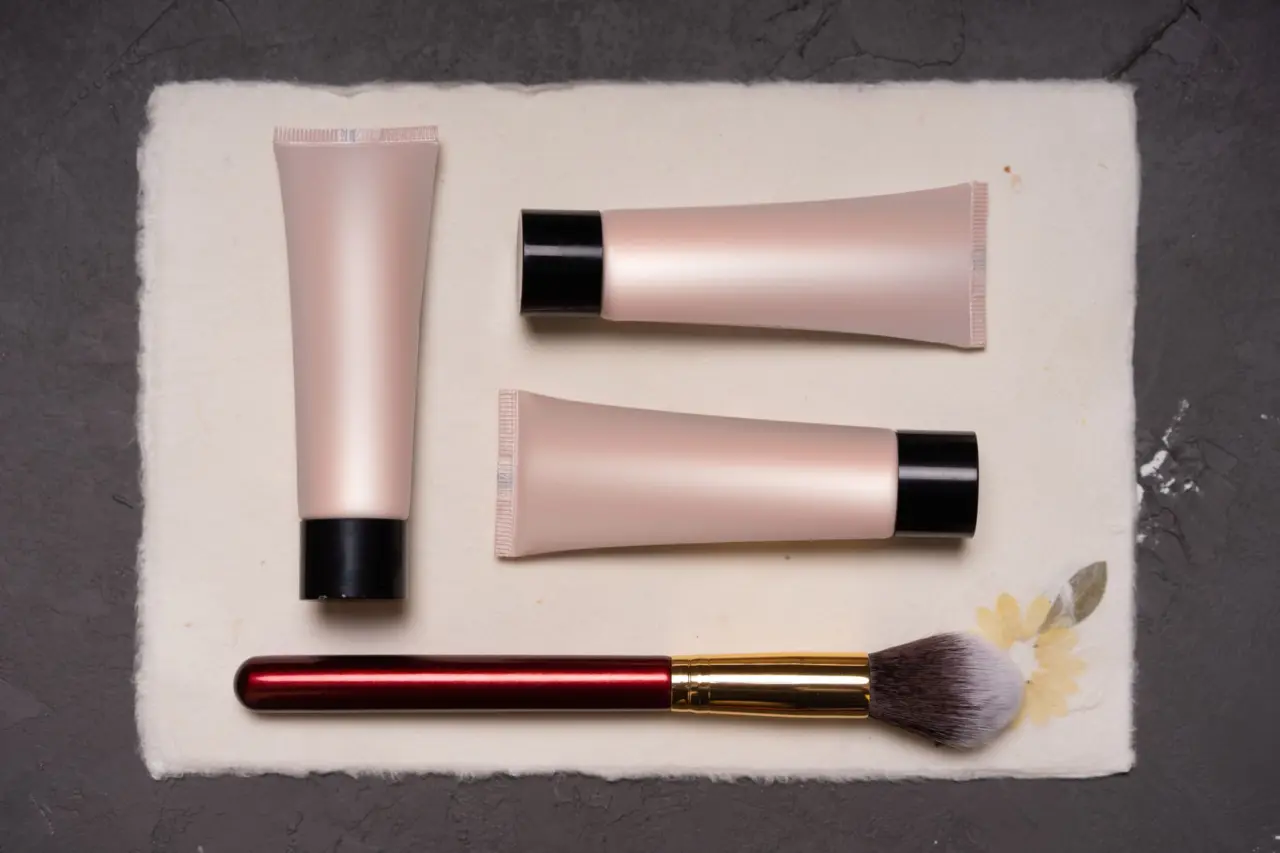
While often discussed together, coverage and color intensity serve entirely different functions. For instance, a sheer berry lip tint can deliver a vivid pop of color without hiding the natural skin beneath, whereas a concealer requires true opacity to mask discoloration and even out skin tone.
Optimizing pigment dispersion allows colorants to achieve their intended level of transparency or opacity. However, dispersion alone won’t change a pigment’s inherent properties. In other words, it won’t magically transform a naturally sheer colorant into a full-coverage shield.
To achieve your target finish, keep your product brief explicit. Specifying “medium coverage that builds smoothly without caking” gives your development team far clearer direction than simply asking for “good coverage.” During testing, evaluate a single layer against a built-up second layer to check for uniform coverage. This step helps you determine whether an issue stems from poor dispersion or simply a mismatch between your selected pigments and your product goals.
Application Texture
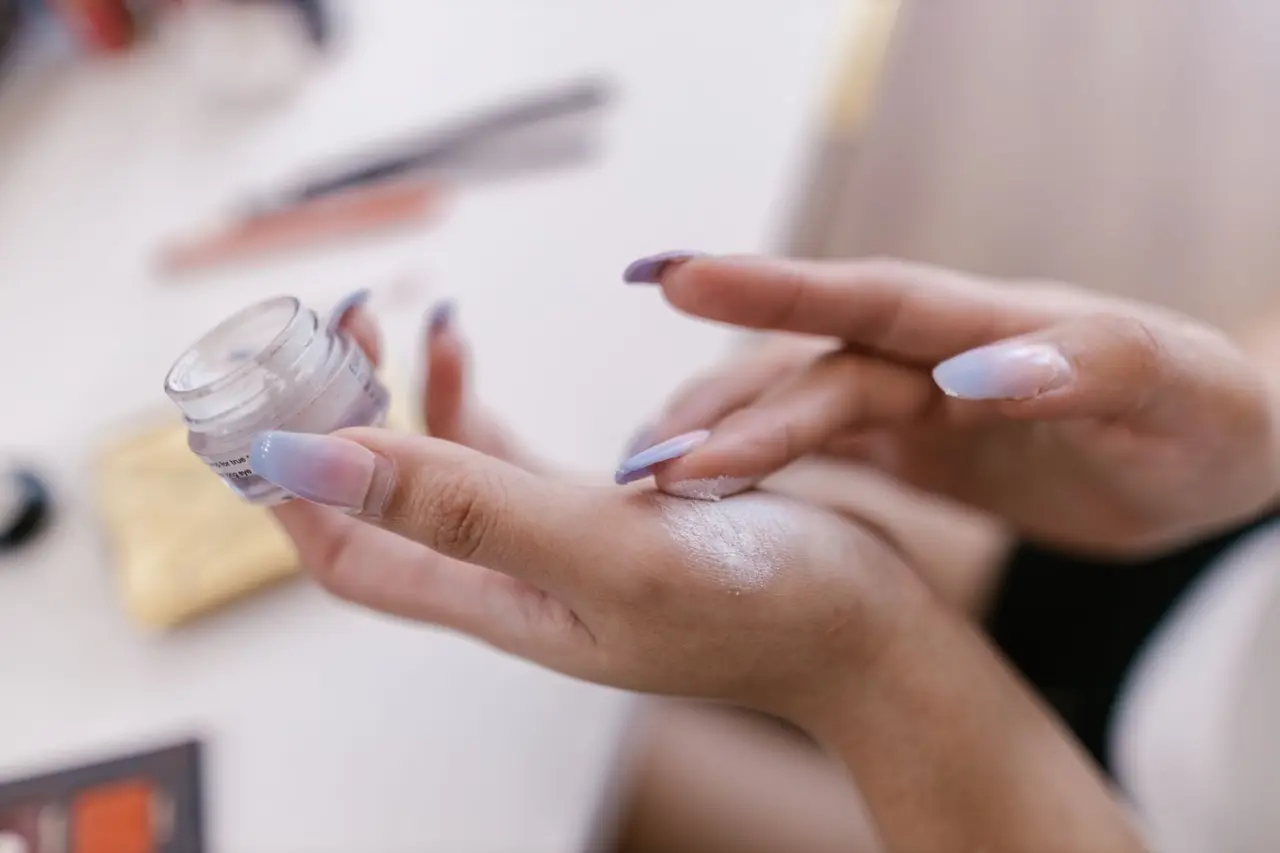
A smooth, effortless application reinforces the sense of luxury and quality customers expect from modern color cosmetics. Conversely, visible specks or uneven color deposits disrupt the application experience, forcing consumers to work harder just to achieve an even finish.
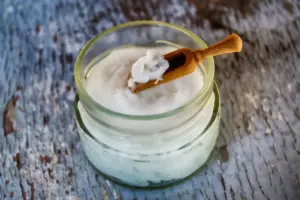
Achieving superior texture relies on a two-part equation: proper particle processing and the right vehicle. While dispersion requires wetting, separating, and evenly distributing pigment particles, the liquid base itself heavily influences how the product glides across the skin. For instance, medium-spreading emollients can be incorporated into color cosmetics and lip balms to provide a non-greasy feel and effortless glide.
However, raw ingredient specifications should be viewed as candidates for formulation screening rather than a guarantee of improved pigment performance. True texture optimization requires testing emollients within your specific pigment system. Always evaluate application feel using real-world consumer tools, including fingertips, brushes, and sponges, as each application method interacts differently with the formula and can expose distinct textural flaws.
Product Consistency
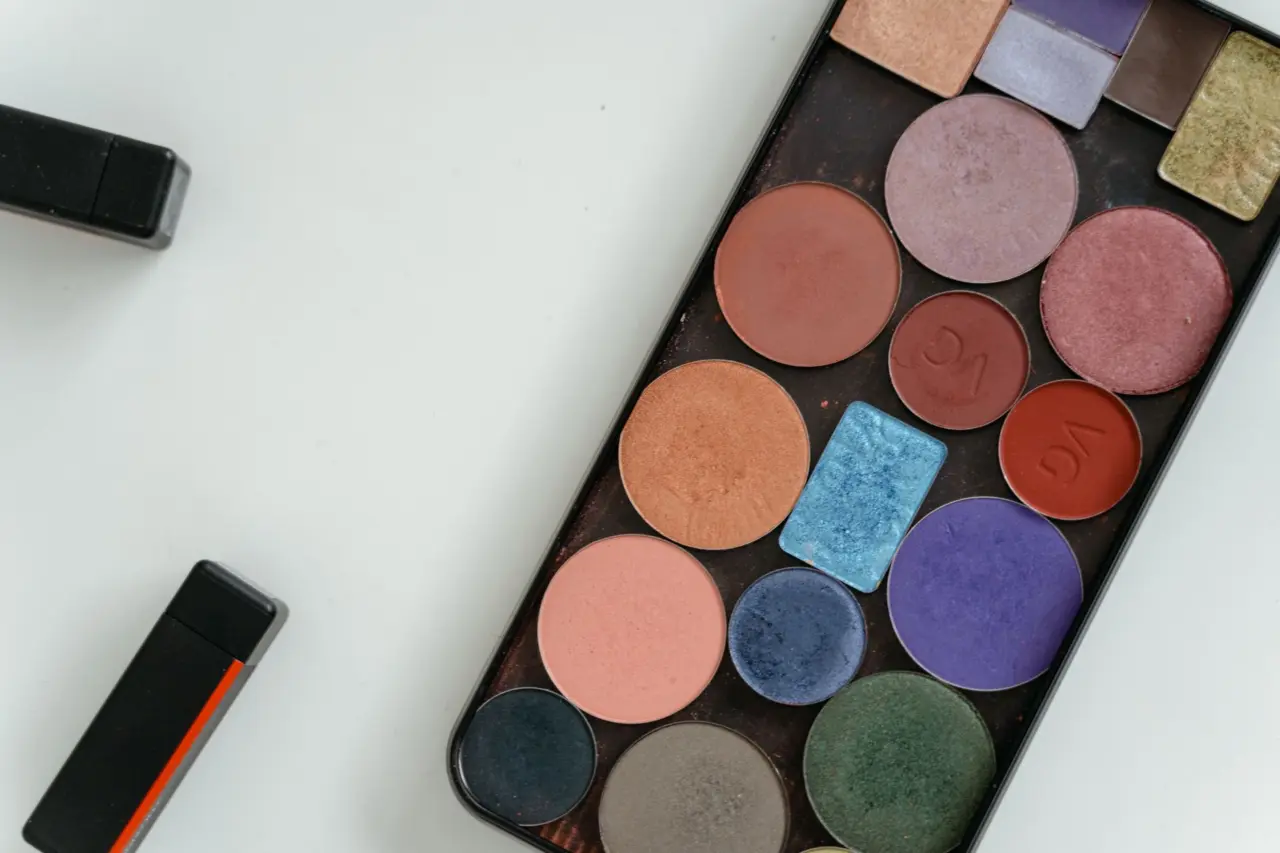
Consumers expect every shade within a product line to offer a uniform experience that reflects your brand’s standards. However, formulations can behave unpredictably across a color spectrum. For example, a deep berry lipstick might feel noticeably firmer or drag more than a pale nude shade, even when both share the same base formula.
These variations occur because pigments differ significantly in oil absorption, directly altering the amount of liquid vehicle required and impacting final hardness or viscosity. Additionally, variations in particle surface chemistry and size distribution alter the formula’s overall flow behavior. Because each shade carries its own physical personality, your development team can’t rely on a single, standardized processing method for an entire shade range.
To ensure uniformity across your line, request bench tests across representative shades, especially your highest pigment load and darkest tones. Then, evaluate key tactile factors like dispensing control, glide, and application resistance under identical conditions. Catching shade-to-shade discrepancies during early formulation development gives you the flexibility to refine the line before scaling up packaging and commercial production.
Storage Stability

Over time, finely dispersed pigment particles can regroup through a process known as flocculation, leading to loss of color strength, diminished gloss, and unwanted shifts in viscosity. For this reason, long-term dispersion stability is just as critical to product quality as initial shade matching during development.
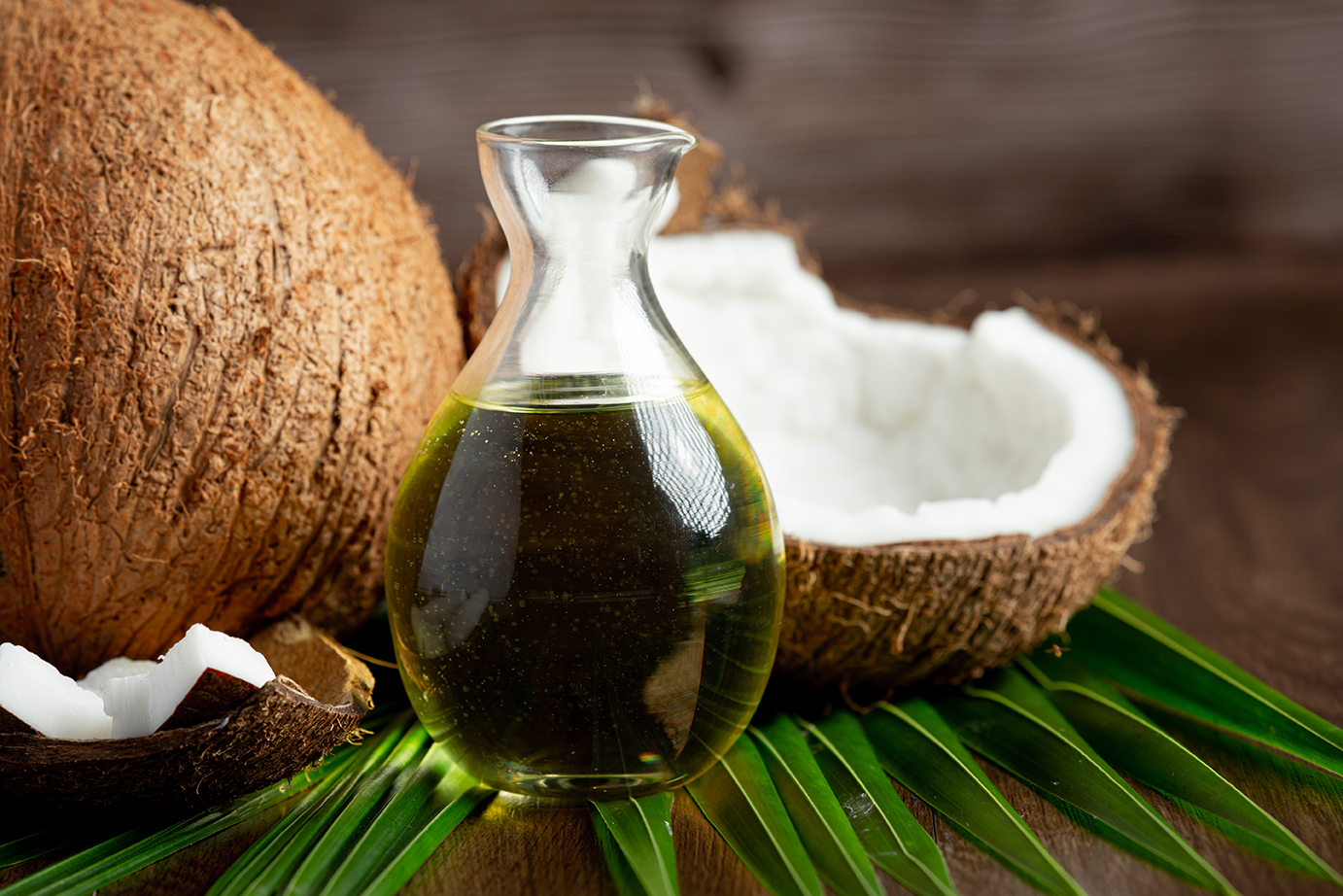
To protect your formulation, ask your development team to monitor appearance, color development, flow behavior, and sedimentation through a structured stability testing program. Remember that particle suspension also relies on the surrounding vehicle and base network. Even a perfectly dispersed system can settle if the overall formula lacks proper structural support, such as structured coconut-based protectants like our proprietary Cocolatum or stabilizing skin-feel enhancers. Always test stability within the final commercial packaging, and thoroughly investigate any signs of separation rather than assuming a quick stir or shake solves the underlying issue.
Partner with Natura Aeropack for Better Color Formulas

Mastering pigment dispersion doesn’t have to be a trial-and-error process. Explore Natura Aeropack’s portfolio of coconut-derived emollients and formulation bases today to learn how our sustainable ingredients can improve your product’s formulation.