Launching a beauty brand often begins with a clear product vision. You might start with skincare essentials, then decide to expand into lipsticks, foundations, or other makeup products. However, you may discover that your existing private label manufacturer doesn’t offer color cosmetics, even if it already produces an extensive range of skincare and personal care products.
This distinction comes down to more than product availability. Color cosmetics involve specific formulation techniques, production requirements, and quality control considerations that differ from those of many skincare products. Not every manufacturer has the equipment or technical expertise needed to accommodate these requirements.
At Natura Aeropack, our experience in cosmetic ingredient development and customized manufacturing gives us insight into the importance of these technical considerations. Understanding why some manufacturers specialize in certain product categories can help you make more informed decisions when developing your own beauty line. Here are some major insights into why it can be challenging to find a private label color cosmetics manufacturer in the industry, and what that could mean for your brand:
1) Color Cosmetics Require Specialized Formulation and Equipment
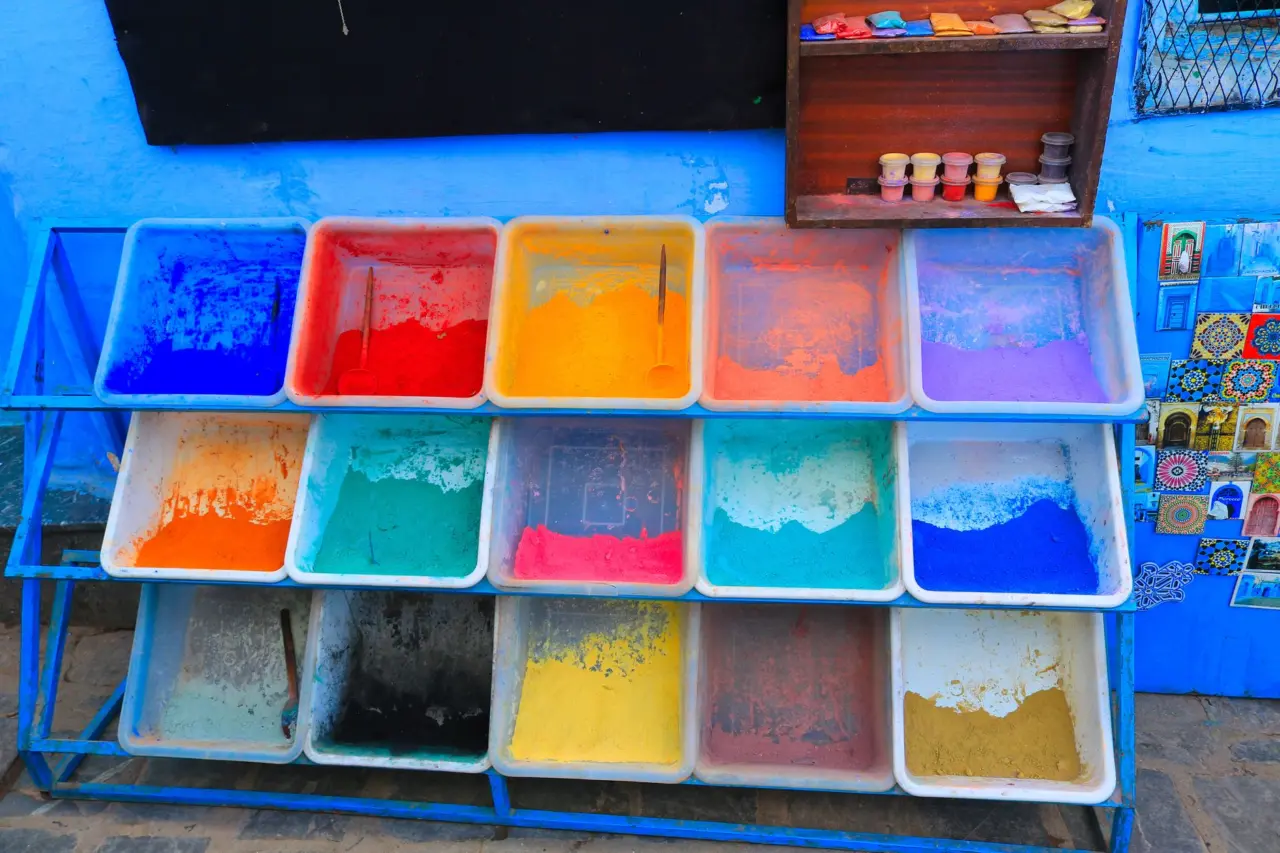
Producing a lipstick or foundation with smooth, even color involves carefully distributing pigment particles throughout its formula. This process, known as pigment dispersion, helps prevent uneven coloration and contributes to the product’s texture, coverage, and application. Depending on the formulation, manufacturers may need specialized equipment, such as three-roll mills, to achieve the desired results.
A facility designed primarily for skincare production may not have these processing capabilities readily available. Moreover, investing in additional machinery is only part of the requirement. Manufacturers must also understand how pigments interact with oils, waxes, emulsifiers, and other ingredients to produce stable, high-performing formulas. Without the appropriate technical expertise, expanding into color cosmetics can present significant production challenges.
2) Maintaining Consistent Shades Adds Production Complexity

A colored cosmetic product that looks perfect during product development must also maintain its intended appearance across subsequent production batches. Even minor differences in pigment proportions or dispersion can affect its color, undertone, or coverage. These concerns become particularly important when you’re developing a product line with multiple shades, each requiring consistent results.
Quality control extends beyond matching colors during manufacturing. Products must also undergo appropriate stability testing to assess how their appearance, texture, and performance change under different storage conditions. Manufacturers should consider physical and chemical stability alongside other relevant product characteristics. For color cosmetics, these checks help ensure that the finished products meet established quality standards throughout their intended shelf life.
Regulatory and Production Requirements Affect Feasibility

A pigment approved for use in lipstick may not necessarily be permitted in eye makeup. Under the ASEAN Cosmetic Directive, which governs cosmetic ingredient requirements in the Philippines and other ASEAN markets, coloring agents are subject to specific conditions and restrictions. If you plan to sell your products internationally, your manufacturer must also consider the regulations of your target markets.
Beyond regulatory compliance, offering multiple makeup shades introduces additional production considerations. Each variation may require different pigment blends, development samples, and inventory arrangements. Depending on the manufacturer’s equipment and production capacity, these demands can influence manufacturing costs, minimum order quantities, and scheduling. Some suppliers may therefore consider it a more practical business decision to specialize in other cosmetic categories.
Limited Manufacturing Options Can Affect Your Product Plans
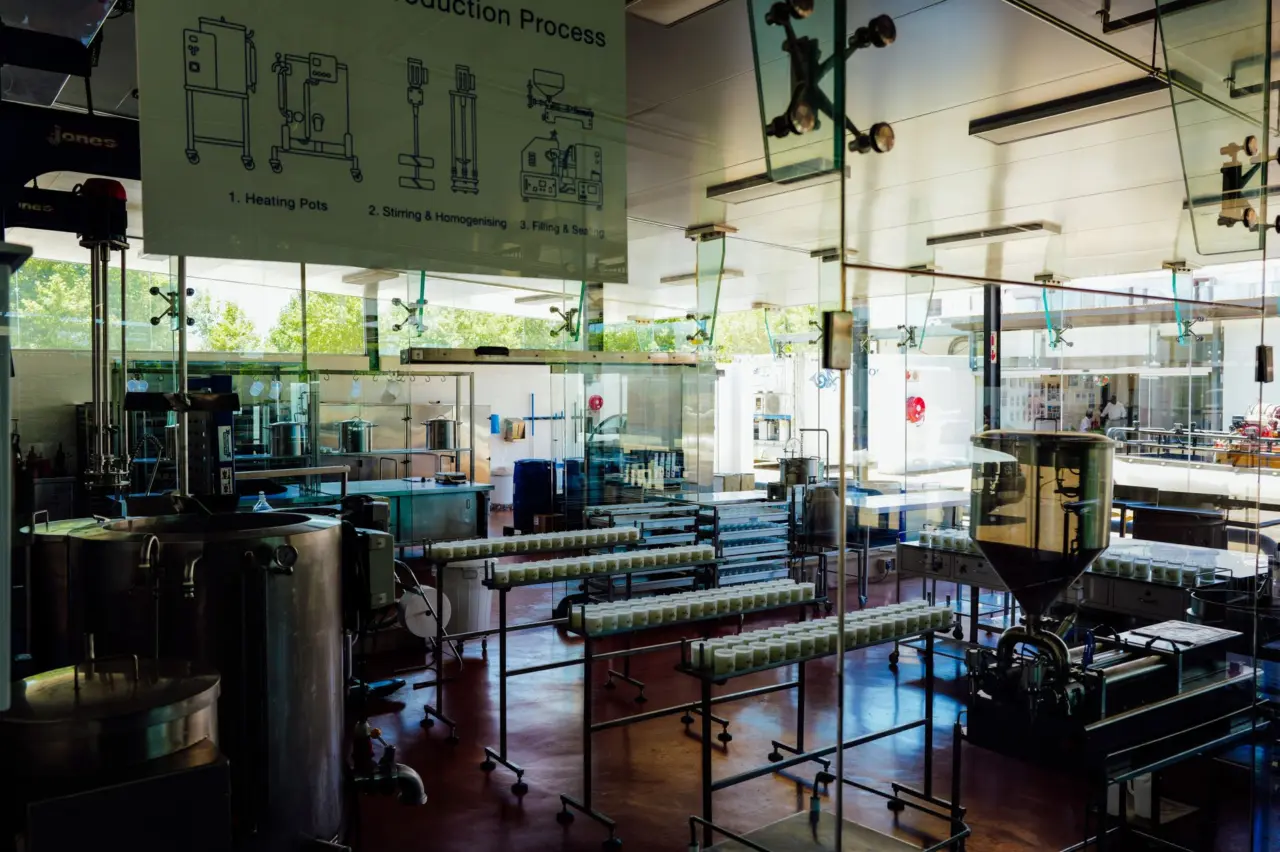
Working with a manufacturer that specializes in skincare doesn’t necessarily prevent you from launching a makeup collection. However, you may need to engage another supplier to produce your color cosmetics. This arrangement can involve coordinating separate development timelines, quality standards, packaging requirements, and deliveries. While partnering with multiple manufacturers can give you access to specialized expertise, it also introduces additional responsibilities that your business must manage.
Your manufacturing options can also influence how much flexibility you have when developing new products. Some suppliers offer ready-made private label formulas with limited customization, while others accommodate changes in shades, textures, and other product characteristics. It’s best to understand these differences early; this will help you identify potential limitations before committing to a product launch.
How to Choose the Right Color Cosmetics Manufacturing Partner
Before committing to a supplier, ask how its manufacturing processes support the products you intend to develop. Relevant considerations include experience with pigment-based formulations, shade matching, stability testing, and quality control. You should also determine whether the manufacturer can assist with applicable regulatory requirements, particularly if you plan to distribute your products outside the Philippines. Requesting product samples and discussing testing procedures can help you assess whether its capabilities match your expectations.
Consider your longer-term business requirements as well. Minimum order quantities, development timelines, production capacity, and customization options can all affect your ability to introduce additional products or expand existing shade ranges. A manufacturer with an extensive catalog isn’t automatically the best choice for your brand. What matters more is finding a partner whose demonstrated expertise, production capabilities, and business arrangements align with the products you want to bring to market.
The right manufacturing partner should do more than accommodate your current product plans; it should give you confidence in the direction your brand is heading. At Natura Aeropack, we recognize the value of dependable formulation expertise and manufacturing processes in supporting that growth. Get in touch with our team today to discuss your ideas and explore how our expertise might contribute to your next beauty project.