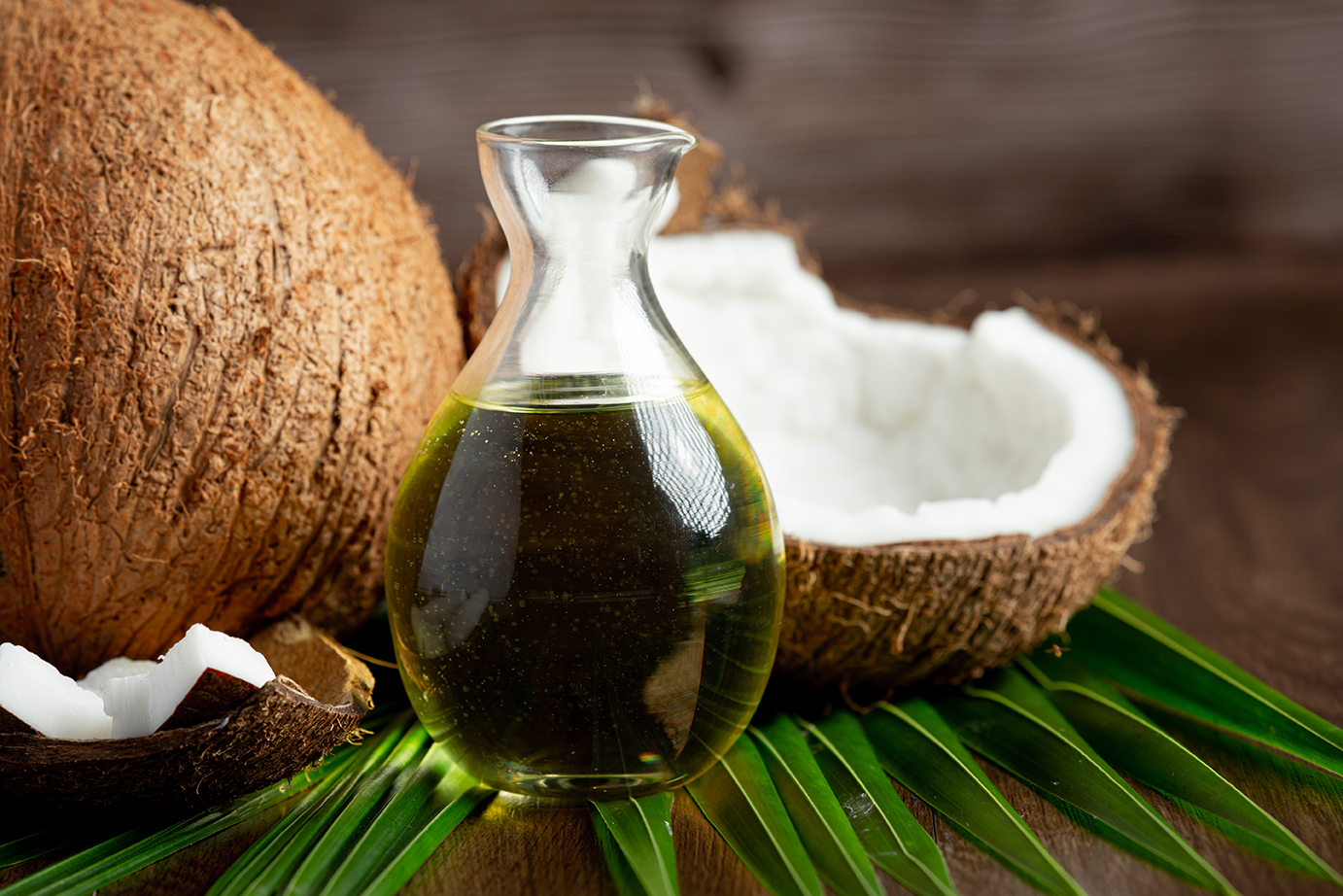
Choosing a private label coconut oil or medium-chain triglyceride (MCT) product involves more than selecting an ingredient. The specific product format must also be carefully considered. While there may be some overlap in their applications, different formats can serve different consumers. For that reason, your first product must not only use high-quality ingredients but also match customer habits and manufacturing capabilities.
A private label coconut oil manufacturer can help your brand assess formulations, packaging, and production requirements based on its specific needs. For instance, traditional coconut oil may suit culinary brands, while bottled MCT oil may better serve nutrition-focused businesses. Here are six product formats to consider for your first launch.
1) Jarred Coconut Oil for Everyday Cooking
Conventional coconut oil is a familiar product in cooking and baking. Jarred products can include aromatic virgin coconut oil or refined, bleached, and deodorized (RBD) coconut oil, which may be preferred for its more neutral profile.

Because coconut oil can solidify at cooler temperatures, wide-mouth jars allow customers to scoop it easily. This is an especially important consideration in geographic markets that experience cooler temperatures for most of the year. Jarred oil suits brands targeting the pantry staples category, provided the packaging accommodates temperature-related consistency changes.
2) Liquid Coconut Oil for Convenient Pouring
Liquid coconut oil is generally easier to pour and measure than conventional coconut oil because it is processed to reduce solidification. Some manufacturers offer formulations with different low-temperature characteristics, allowing brands to select an ingredient based on the intended application and storage conditions.

However, contrary to a common misconception, liquid coconut oil should not automatically be described as concentrated MCT oil. Its specific fatty acid composition must be verified. Regardless of its composition, this format is often best suited to cooking brands that want to emphasize ease of pouring rather than a particular MCT profile.
3) Bottled MCT Oil for Nutrition-Focused Customers
Bottled MCT oil is a practical starting point for brands selling dietary fats to customers who add oil to coffee, smoothies, or food. Commercial MCT oils typically contain triglycerides composed of selected fatty acids, particularly caprylic acid (C8) and capric acid (C10). Specifying the fatty acid composition precisely provides clearer ingredient information than simply labeling a product “coconut oil.”
4) MCT Powder for Beverage Mixes

MCT powder may appeal to customers who prefer the convenience of mixing powdered ingredients into coffee or other beverages. It is typically made by combining MCT oil with carrier ingredients and converting the mixture into powder.
Unlike bottled oil, the finished powder is not necessarily pure MCT. The amount of MCT per serving depends on the formulation. Dispersibility and mouthfeel also influence product quality, while moisture protection is an important packaging consideration.
MCT powder may make sense for brands with an existing beverage-mix or powdered nutrition line. However, specialized processing and packaging requirements should be confirmed with the manufacturer before committing to full-scale production.
5) MCT Softgels for Premeasured Portions
Softgels may appeal to customers who prefer capsules over free-flowing oils or loose powders. Each unit contains a premeasured amount of product, making softgels easy to incorporate into a regular supplement routine.

Their main limitation is the practical capacity of each softgel. Some serving sizes may require a softgel that is too large for many customers to swallow comfortably. A common workaround is to require several smaller softgels to make up the full dose, although taking multiple capsules may become inconvenient, partially nullifying the main benefit of softgels. Brands also need to consider capsule-shell materials, serving counts, and specialized encapsulation costs.
6) Baking Sprays for Specific Kitchen Tasks
Popular in some markets, baking sprays offer a different way to apply oil to pans, molds, and other cooking surfaces. Their main advantage lies in controlled dispensing rather than a particular fatty acid composition.

For a coconut-derived spray product, brands must confirm that the selected oil is suitable for the dispensing mechanism. In addition to packaging compatibility, spray performance and applicable food safety requirements are central to development. These requirements can make baking sprays a more specialized and challenging first launch than products packaged in conventional jars or bottles.
Develop Your Coconut Oil or MCT Product to Meet Real Challenges
Your first product’s format must accomplish two things. First, it must fit your customers’ typical routines. Second, it must align with your production capabilities. For many brands, this means sticking with more mainstream jarred and bottled formats. However, if specialized formats such as sprays, powders, and capsules better suit your target market, partnering with the right manufacturer may help manage the additional cost and complexity.

In all cases, a well-defined product concept can help minimize unnecessary development expenses while ensuring that the chosen format delivers the convenience and performance customers expect. Starting with a focused offering, developed with a trusted manufacturing partner like Natura Aeropack, may also give your brand an opportunity to establish demand before expanding into additional product formats and categories. Contact us today to find out what’s possible with your own line of coconut oil or MCT products.