4 Inclusive Beauty Trends for 2023
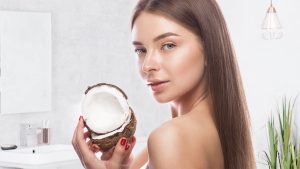
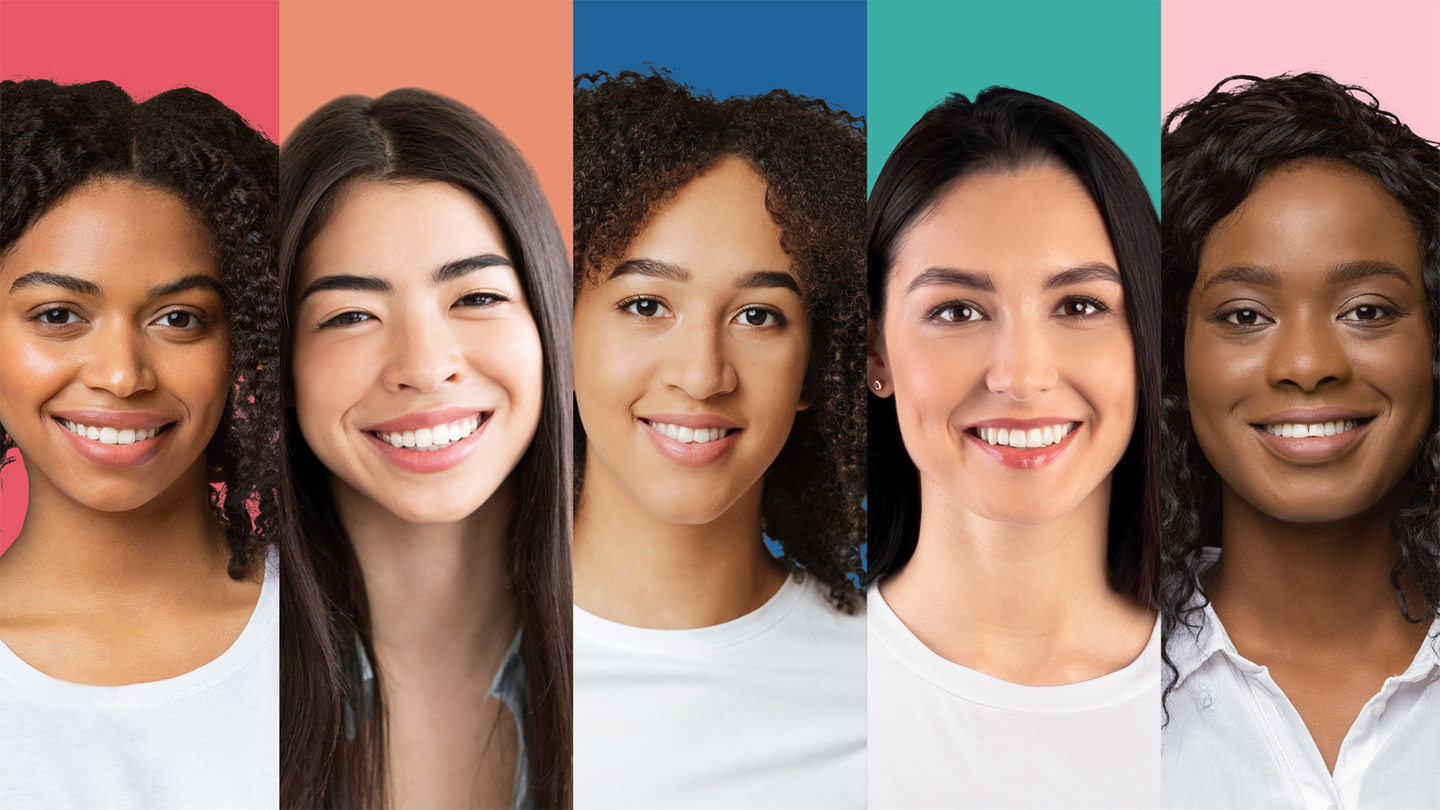
In recent years, more cosmetics brands have made the effort to offer inclusive beauty products due to consumers actively seeking out products that suit their needs, values, and physical attributes.
In recent years, more cosmetics brands have made the effort to offer inclusive beauty products due to consumers actively seeking out products that suit their needs, values, and physical attributes.
A mineral oil is a clear, colorless liquid, produced during the process of distilling petroleum and then further purified to make it safer and more stabilized.

Supply chain traceability refers to an organization’s ability to track all aspects of the manufacturing process, from the sourcing of raw materials to the distribution of the final product to the consumer.

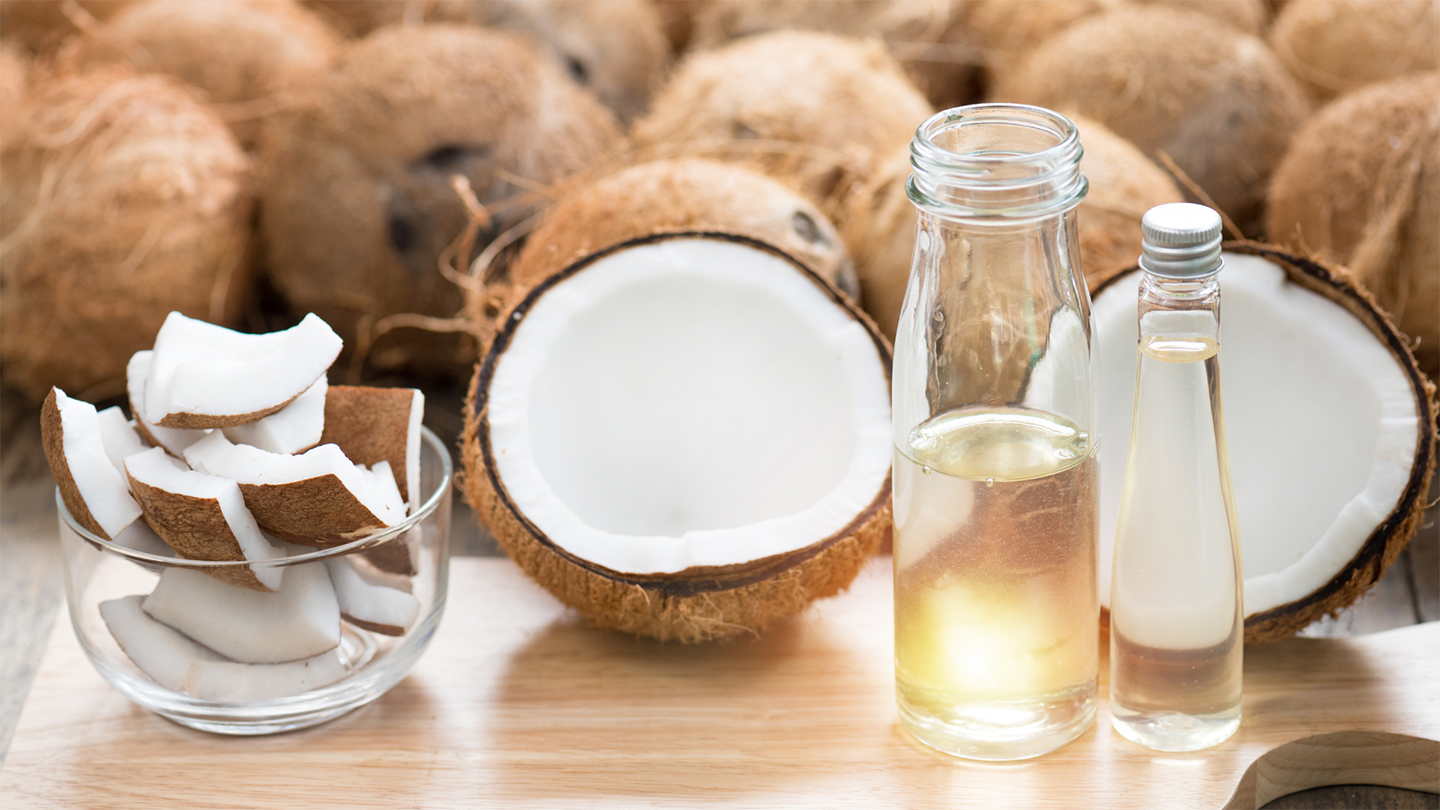
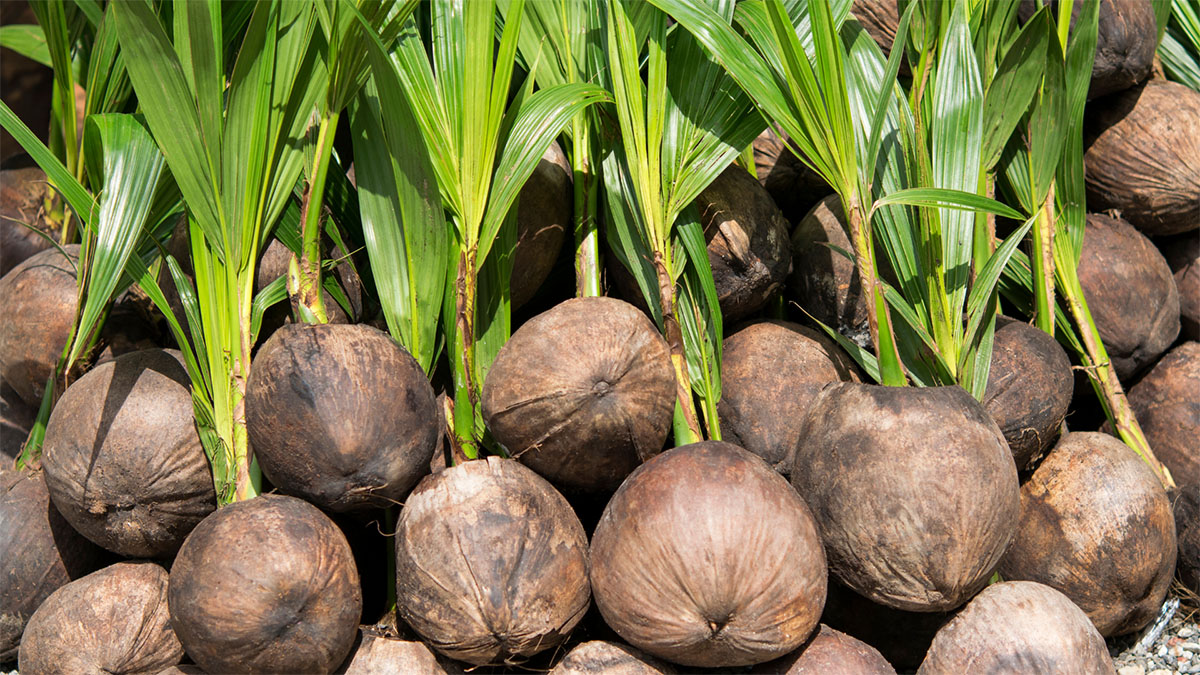
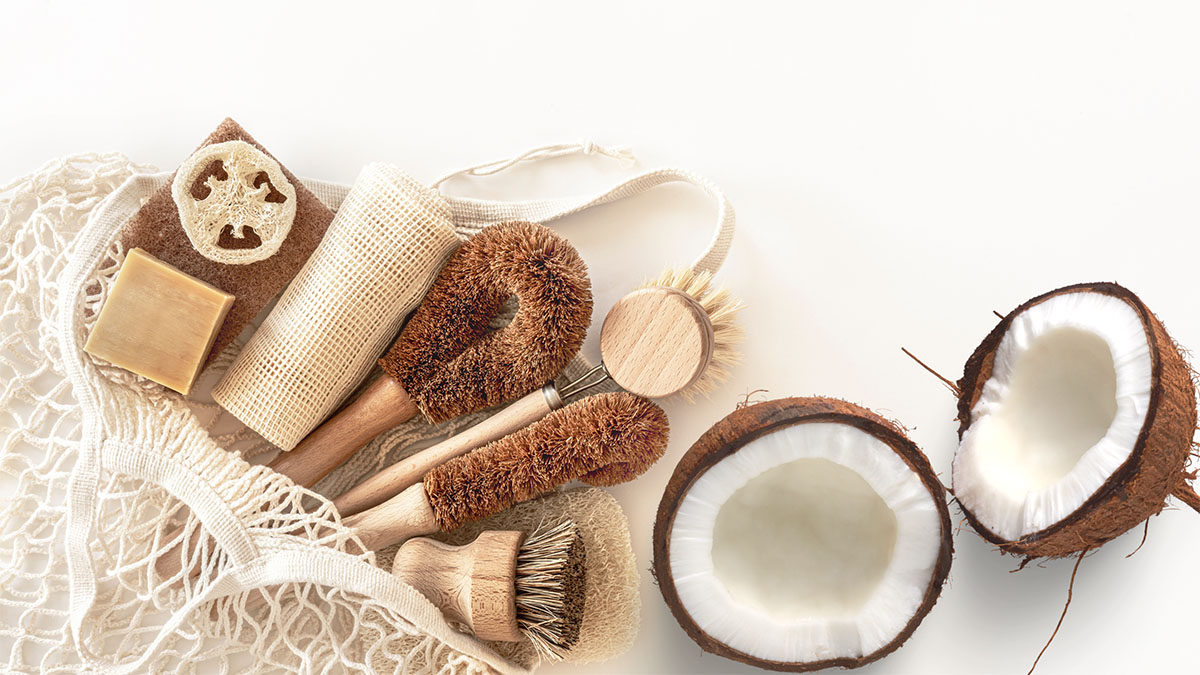
Coconut has become increasingly popular as a base ingredient for home care items like detergent and dishwashing soap due to qualities like its sustainability alongside its effectiveness.

Skinimalism, as its name implies, forgoes extensive skincare routines featuring a wide variety of different products in favor of a more back-to-basics approach.

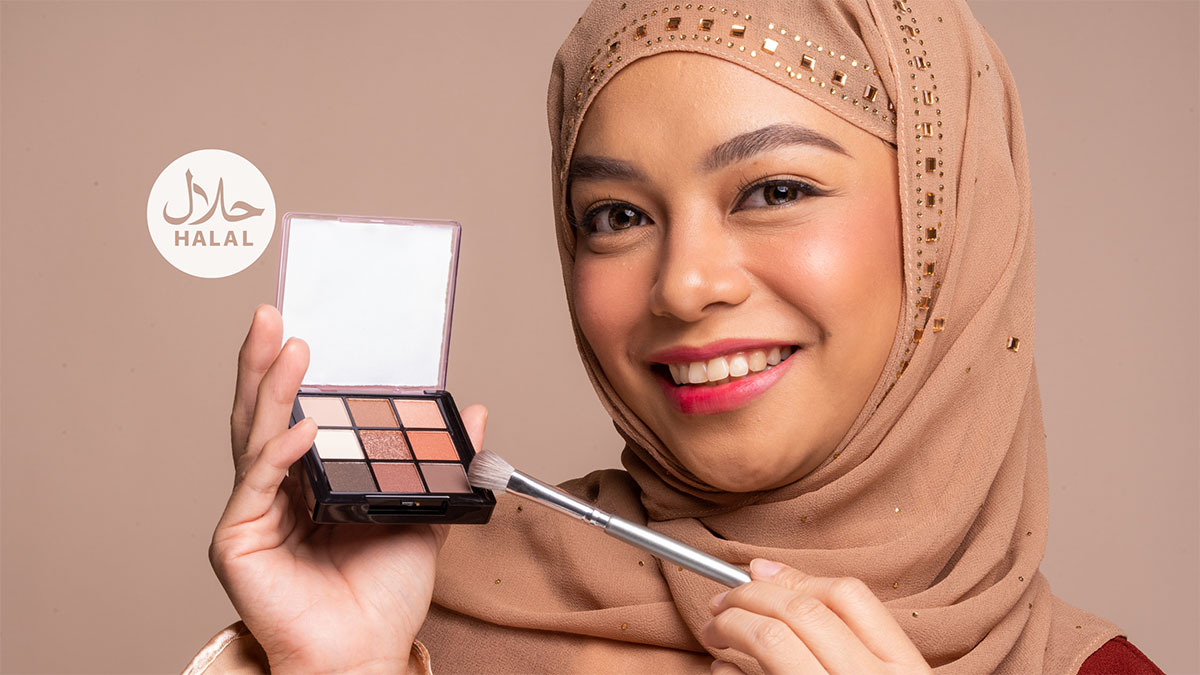
“Halal” refers to anything that abides by Islamic law. Its opposite, “haram,” refers to anything prohibited by Islam’s Shariah law.

In simple terms, “clean beauty” involves products that are free from the harmful ingredients usually found in cosmetics.

While certain staple looks like red lipstick, smokey eyes, and fringes are well-beloved for their timeless nature, there’s also something fascinating about following the beauty trends that take the world by storm each year.

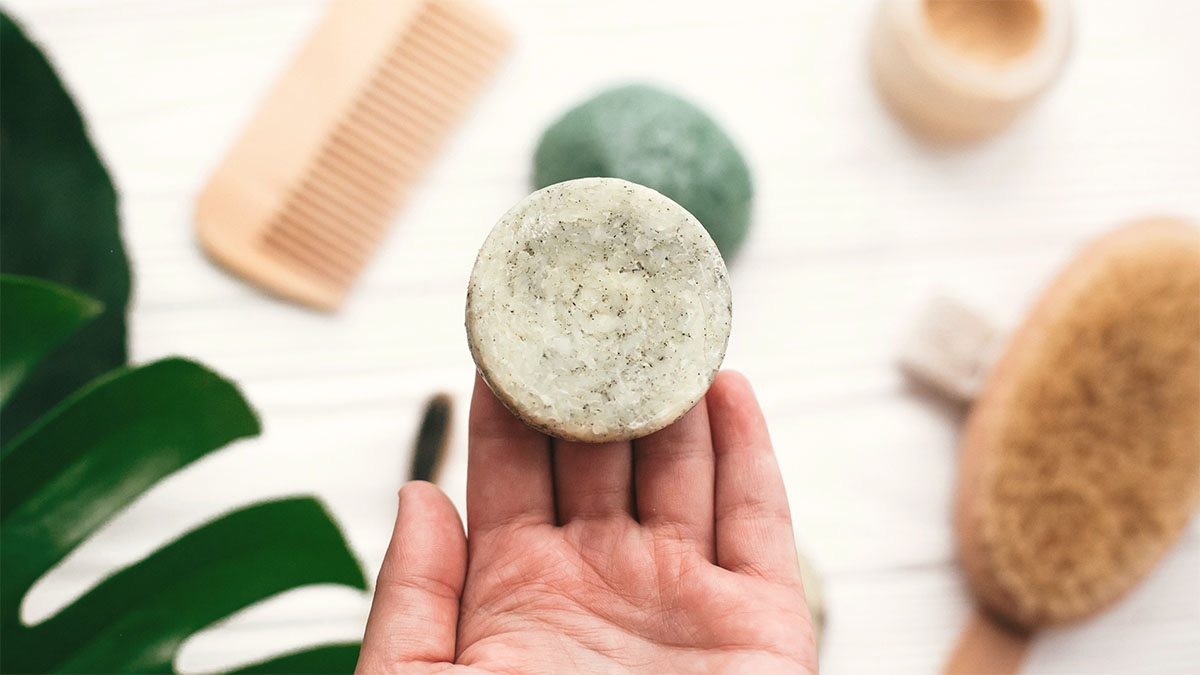
Many consumers are becoming increasingly aware of the impact that their favorite personal care products demand on the environment.

The new facility showcases state of the art technology in manufacturing and global best practices in incorporating sustainability in operations.